

Often, when homeowners consider a remodeling...

Trending Colors for Your 2024 Central CT Home Build or Remodel
Building your brand new home or remodeling your...

Explore The Historic Downtown Charm of Wallingford Connecticut
We can’t wait to show off our hometown! With its...

Outdoor Living: Creating Your Ideal Outdoor Sanctuary
In an era where indoor living often merges with...

The Pros of Having a Smaller Lot Size for Your Connecticut Home
Home designs are as diverse as the people who...

Preserving Memories While Creating New Ones in Your Connecticut Home Remodel
Your home has earned its place in your heart over...

The Benefits of Designing a Home with Natural Light In Mind
Let the sunshine in! It’s more important than you...

Pros and Cons of First-Floor Primary Suites
In recent years, it’s become more and more common...

9 Primary Bathroom Trends For Your Connecticut Home
If your bathroom is mundane, this blog is for...
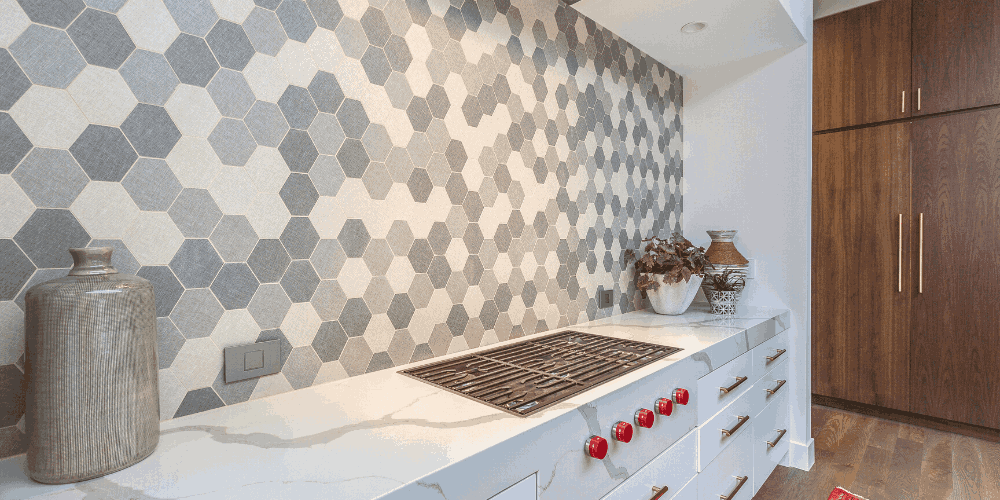
Connecticut Kitchens: Making a (Back) Splash
If you’re looking to add a splash of color and...

Energy-Efficient Home Design for Central Connecticut Homes
Talk about energy-efficient, or “green” homes is...

Building or Remodeling for Multi-Generational Living in Wallingford
Nuclear family living didn't become a "thing"...

14 Best Fall Foliage Outings to Take in CT
Autumn in Connecticut is a whirlwind of color....
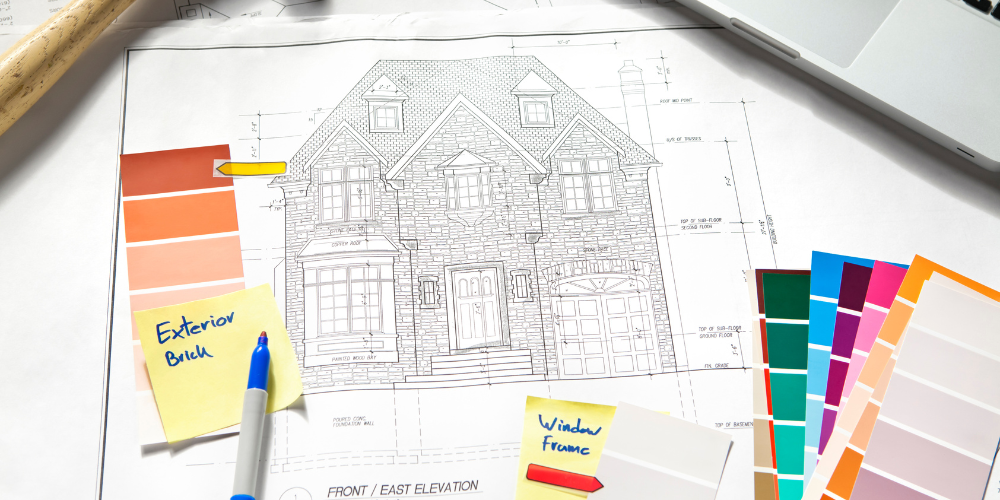
3 Home Design Styles for Your CT Home Remodel: What’s Your Style
A home without a cohesive vision is disjointed,...

10 Central CT Breweries to Explore This Fall
What's better than a fall drive through the ...

How to Turn Your Central CT Home Remodel into a Smart Home
There's a lot to love about older homes: the...

5 Advantages of Living in Connecticut
Connecticut, often overlooked in the shadows of...
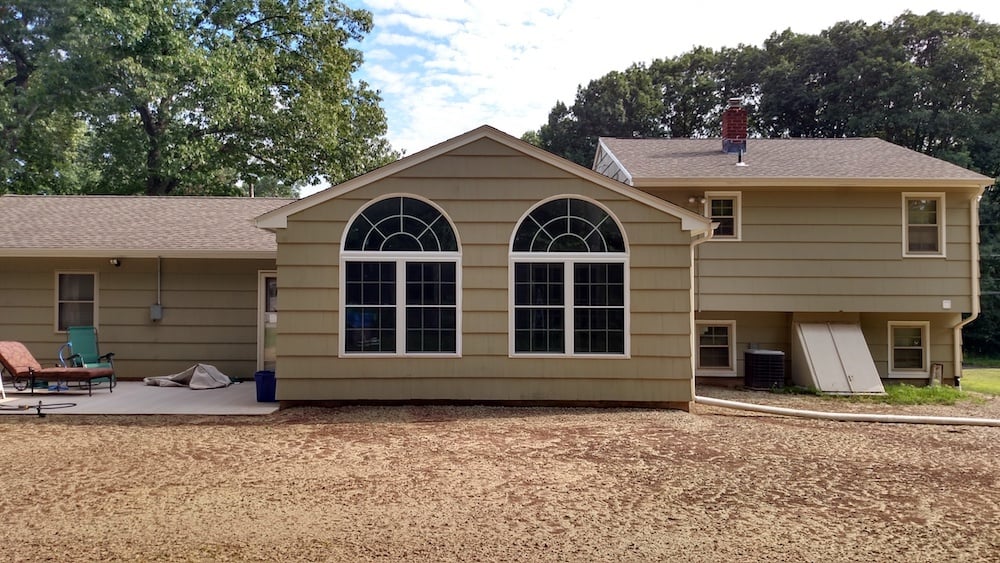
Home Additions in Connecticut: How to Plan and What to Do
Change is a law of nature. Seeds become trees...

7 Questions to Ask When Hiring a Home Remodeler in Central CT
Nowadays, most home remodeling starts with a...

7 Tips for Designing Your Forever Home
Most people realize that not all homes are...

5 Tips for Building and Customizing Your Perfect In-Law Suite
Having a family member move into your home or...
How to Choose the Right Home Builder in Connecticut
Many factors go into remodeling or building a...

The Ultimate Guide to Attic Remodeling
In my family, the attic is a place to dump stuff....

How Long Will It Take to Build A New Home in CT?
Knowing how long it will take to build your...

9 Things to Do This Spring in CT to Break the Cabin Fever
This time of year, cabin fever at home is at an...
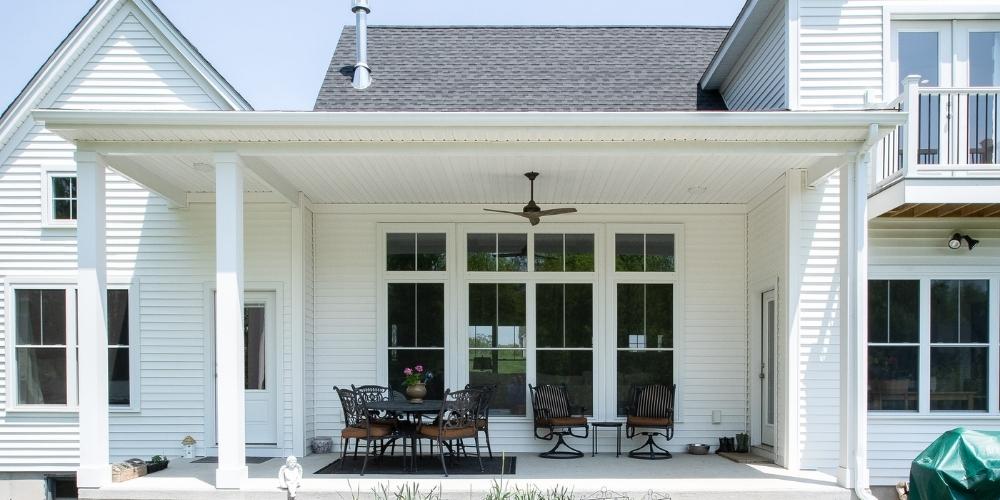
The 4 Hottest Trends In Home Building
Are new home building trends really that...

I Want to Build a Custom Home. Who Do I Talk To?
Homeownership is part of the American Dream, and...

Lumber, Appliances, & More: What Could Affect Your Remodeling Project
You’re ready for a remodel. You’ve realized that...
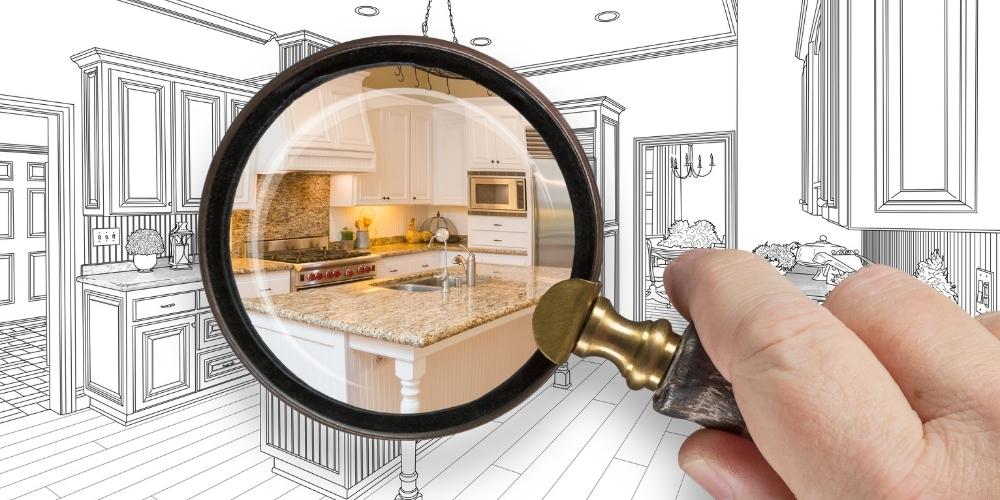
Pros and Cons of Different Kitchen Layouts
To make your Connecticut home remodel a success,...

Home Design Trends to Look Out for in 2022
Maybe it's a byproduct of the covid-19 pandemic,...

How to Age in Place in Your Wallingford, CT Home
There are a lot of benefits to aging in the...

Winter Getaways Near Wallingford, Connecticut
Connecticut winters are nothing short of magical;...

10 Things You Should Ask Your Home Builder or Remodeler
Have you been considering building a new home or...

6 Ways to Update Your Home to Make It Your “Forever” Home
Nothing ever stays the same. Some of the things...

How Much Does it Cost to Remodel Your Bathroom in Connecticut?
It’s great to visit sites such as houzz.com or...

Tips for Winterizing Your Connecticut Home
Weatherproofing is a necessary part of life....
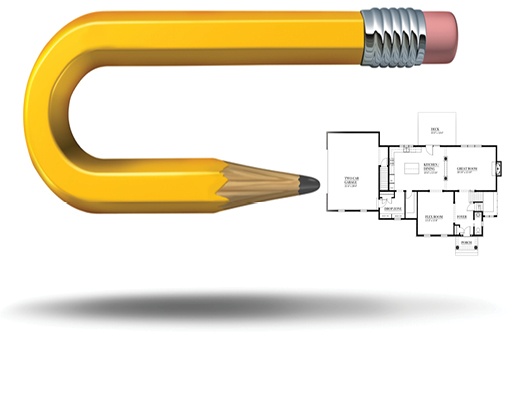
Choosing the Right Floor Plan—How Needs Can Evolve Over Time
Chances are that when you begin planning to build...
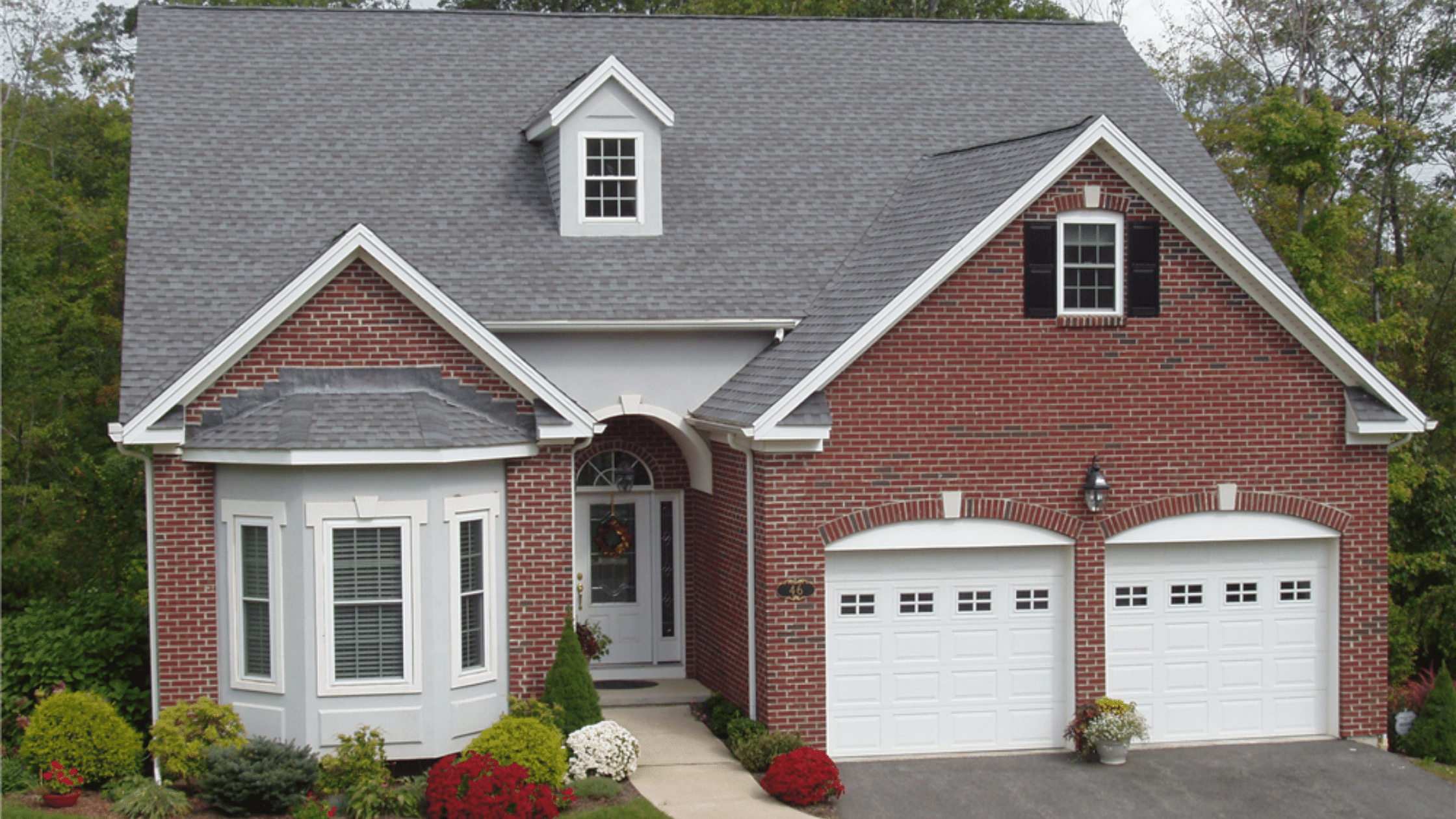
How to Budget For a Connecticut Custom Home or Remodel
Your home has been looking a bit dated. As you...

The Best Floor Plan Series: The Empty Nesters
Introducing The Best Floor Plan Series,...
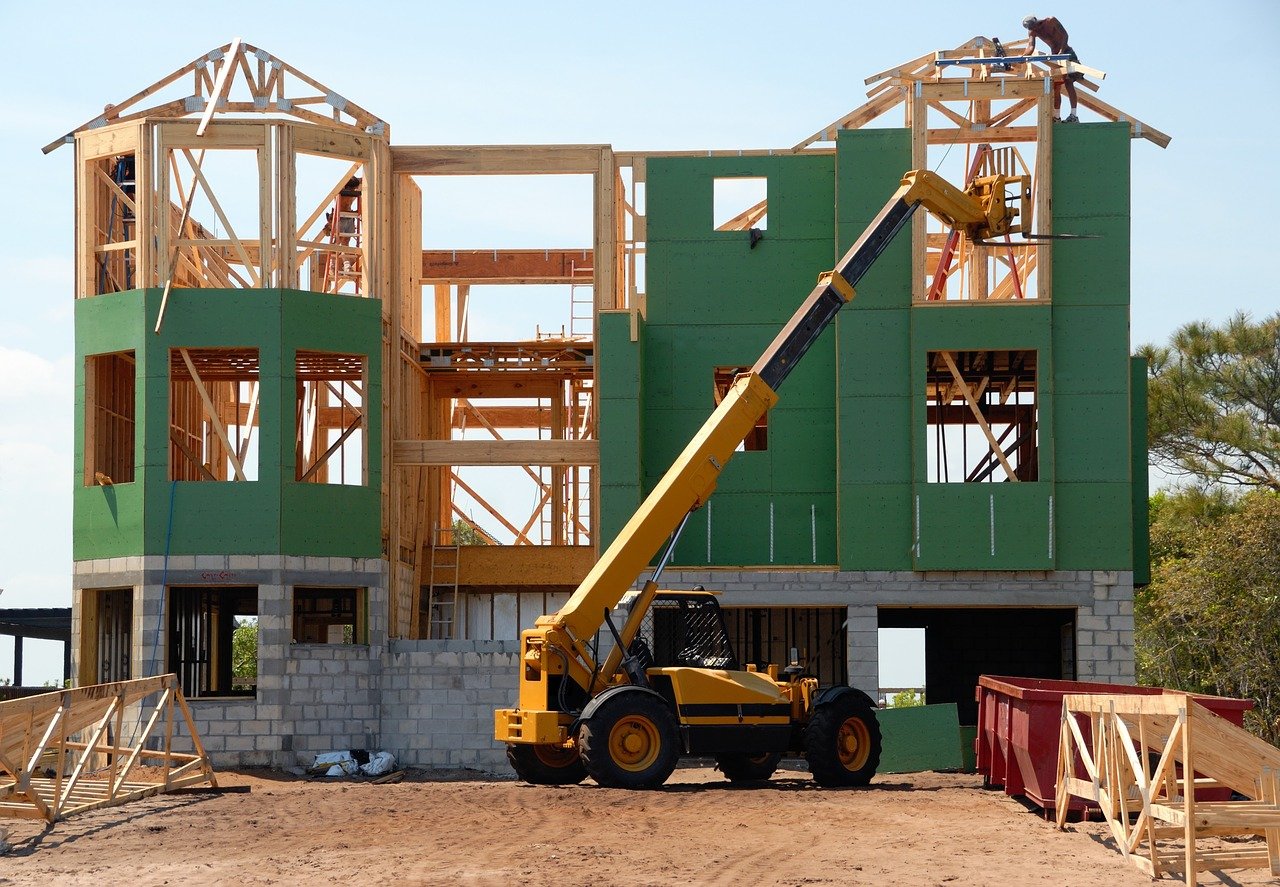
How Long Does it Take to Build a Custom Home?
The two most common questions we’re asked as...
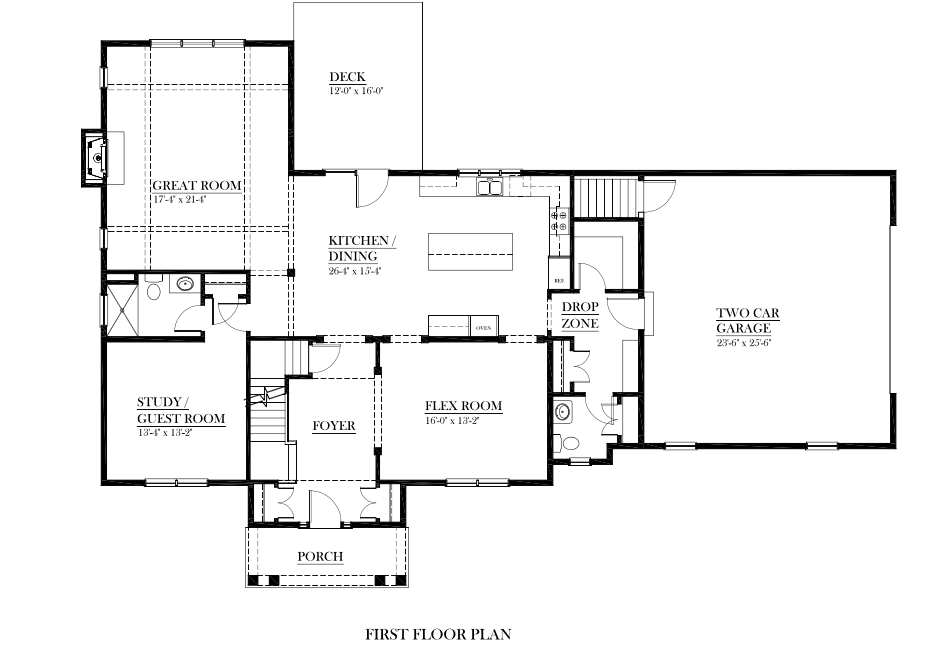
The Best Floor Plan Series: The Brady Bunch
We’re continuing our The Best Floor Plan Series—a...

The Best Floor Plan Series: Young Family
When you start looking at floor plans for a new...
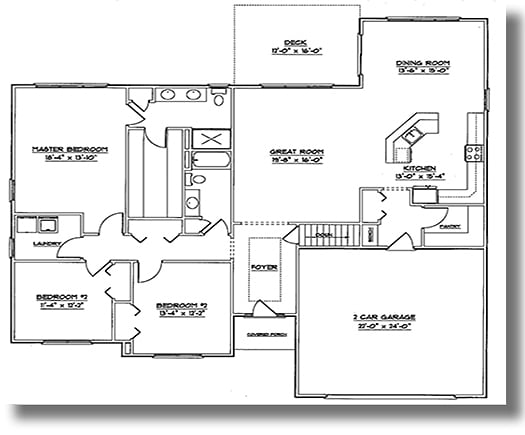
The Best Floor Plan Series: Aging in Place
We’re going to continue our The Best Floor Plan...

Examples of Scope Creep: A New or Remodeled Wallingford Home
There’s an uncomfortable truth about remodeling...

Tax Breaks for Connecticut Homeowners
The holidays are over, and if you’re like a lot...

5 Advantages to Living in Wallingford CT
Where you choose to live is as big of a choice as...
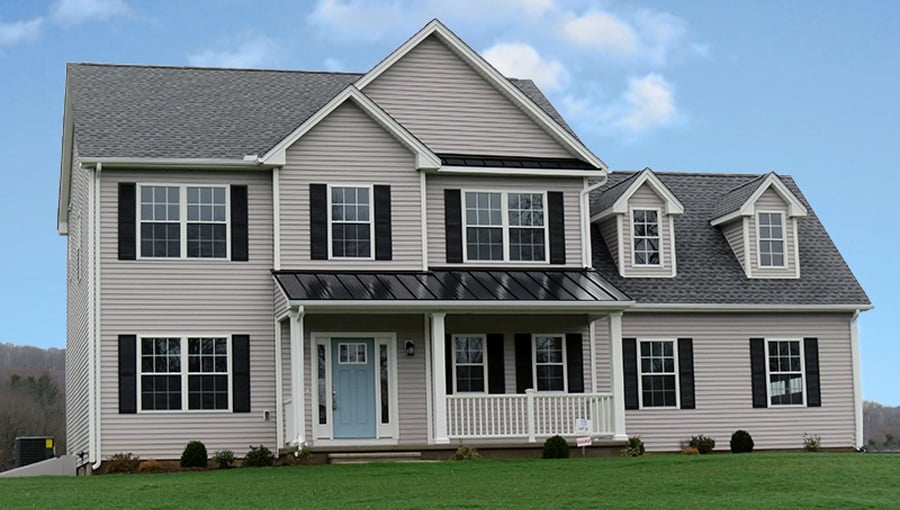
What You Should Know About A Colonial Style Home
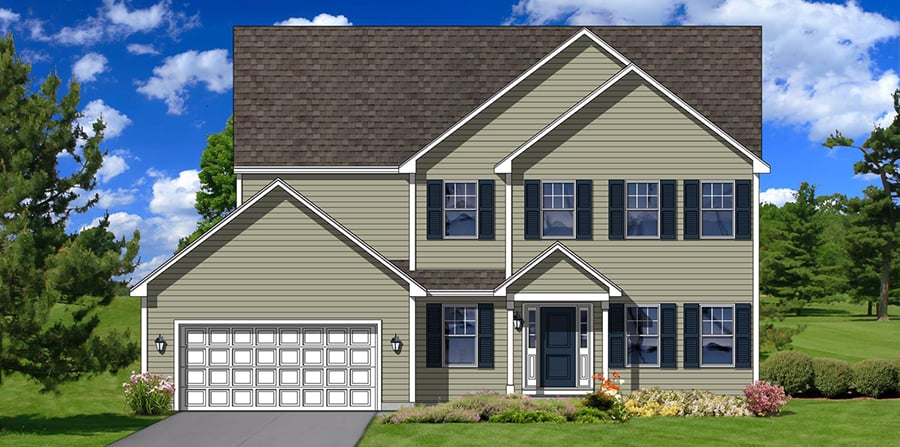
A considerable number of the homes we build in...
Featured Floor Plan: The Belton
In our continued look at floor plans that are...
A Guide to Budgeting for Your Dream Remodel
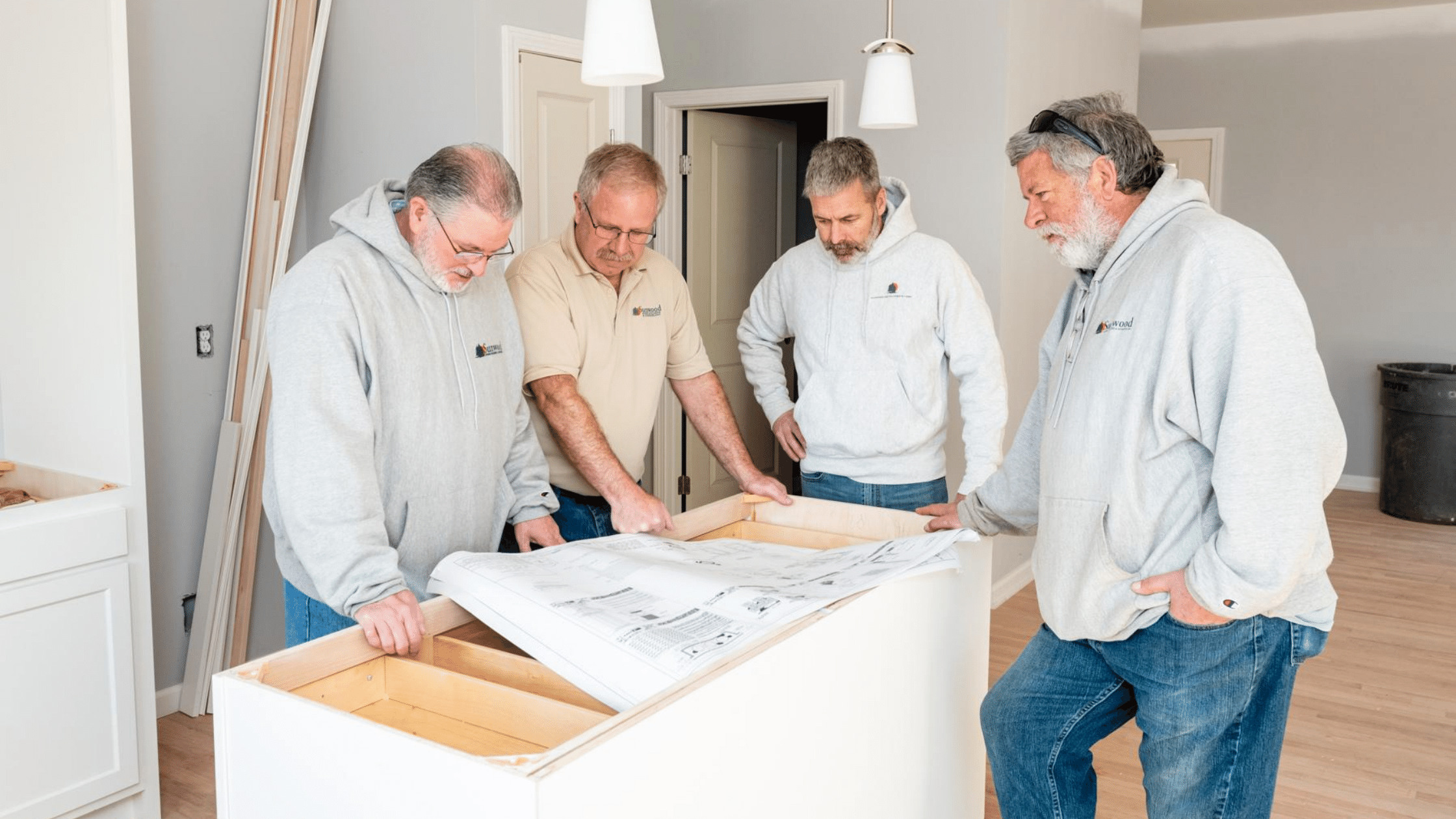
Anytime homeowners in the Wallingford, CT area...

Considering Concrete Countertops for your CT Home?
Whether you’re building a new Connecticut home or...

Designing a Luxurious Master Bedroom
If you could create your dream master bedroom,...

The Ultimate Guide to Fireplaces in Connecticut
Being in the North East of the United States...

Comparing the Cost of Building and Remodeling in Wallingford, Connecticut
If your current house no longer meets your...

Pros and Cons of Custom Cabinets
Our kitchens are highly visible rooms these days....

Mistakes That Bad Contractors Make When Installing Hardwood Floors
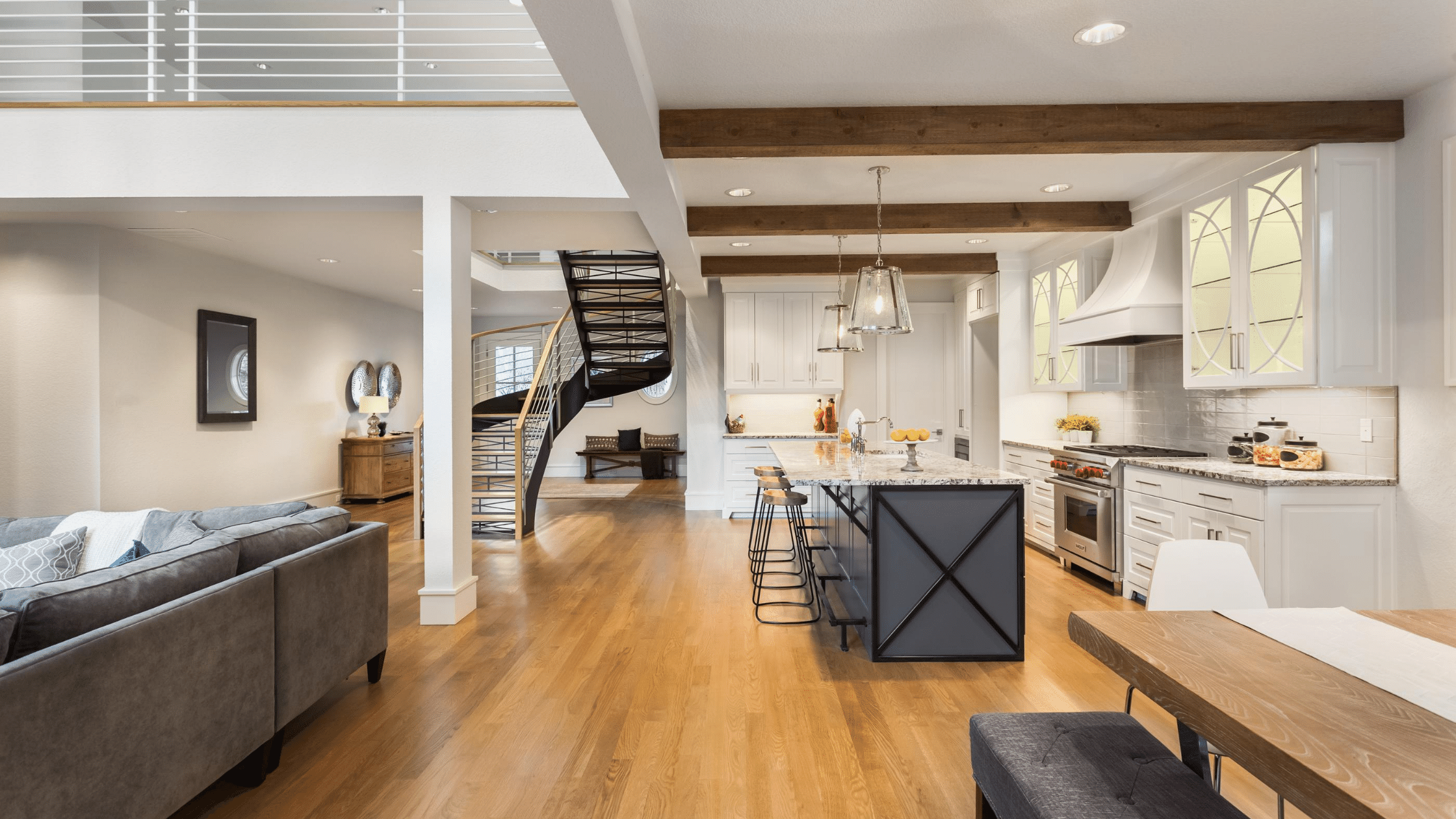
Ah, hardwood. The simple, natural beauty of a...

The History of Cobblestones, and Their Use in Paving for Your Connecticut Home
Cobblestones. They’re beautiful, and they...

Accessory Apartments in Connecticut: What They are and How to Build One
Granny flats, in-law cottages, laneway houses,...
A Guide to Finding the Best Remodeling Contractor in Connecticut
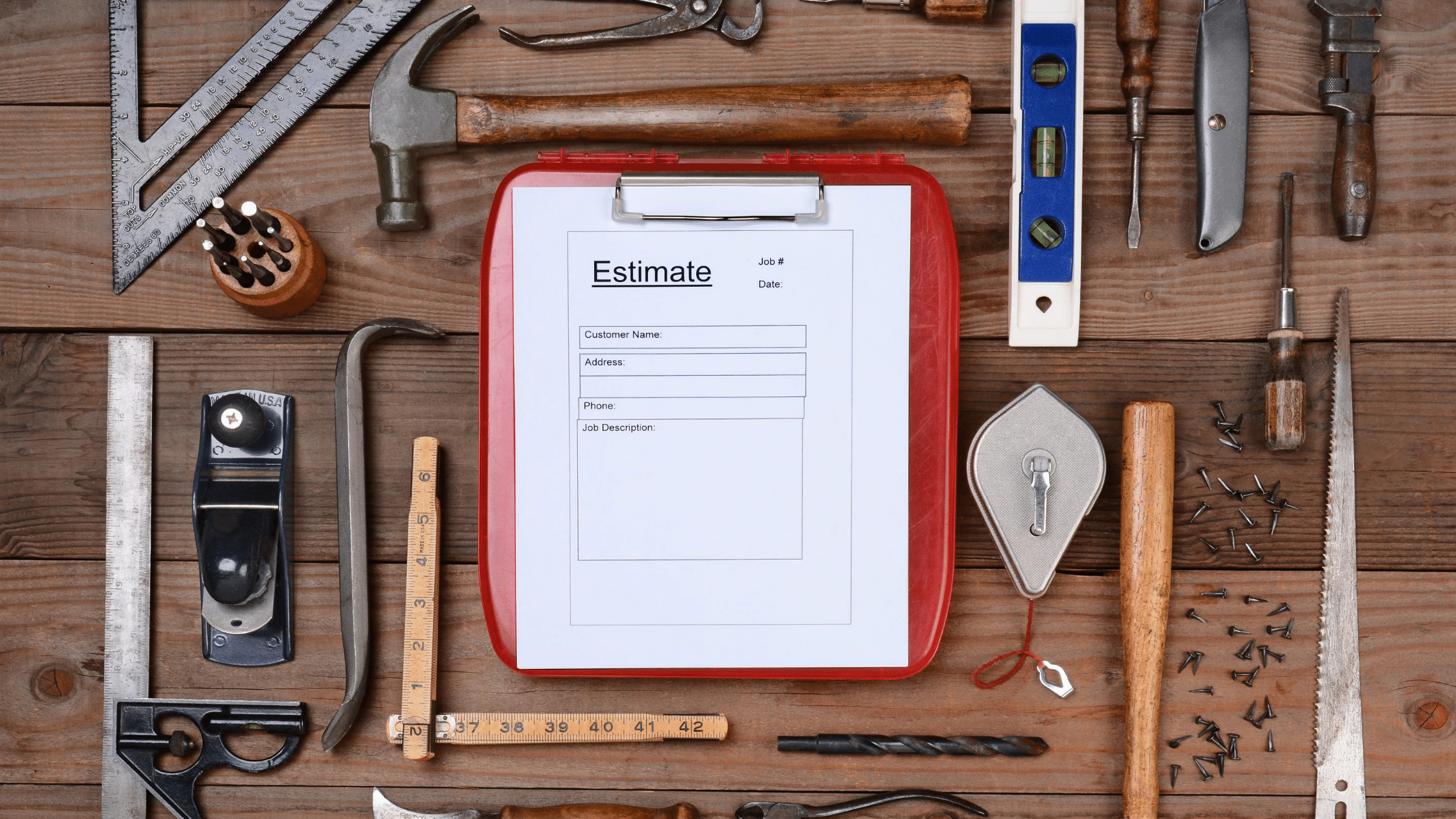
Remodeling a home isn’t easy. Whether it’s...

How to Rebuild After a House Fire
If you're ever in the unfortunate position of...
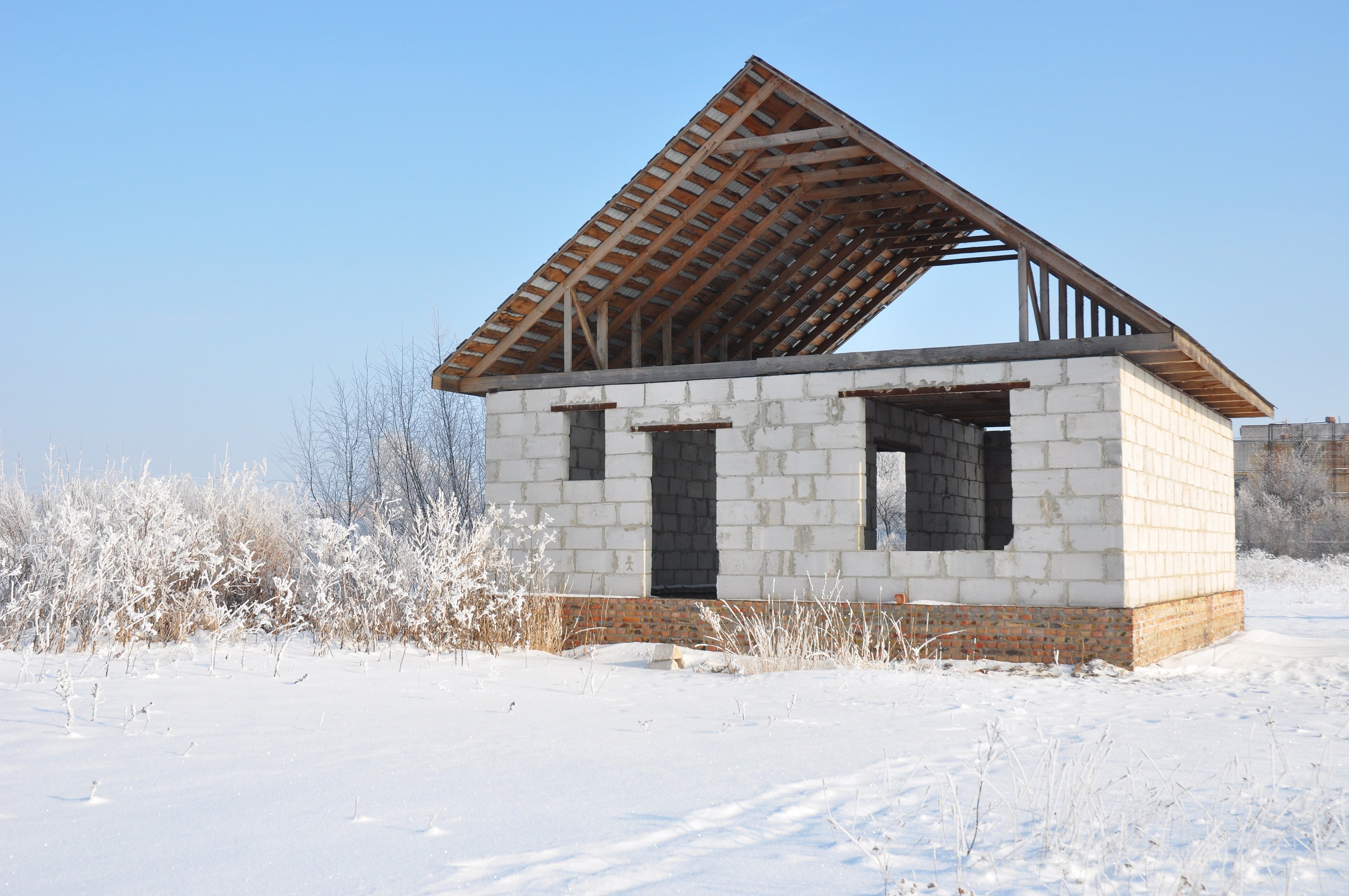
What Should I Do When My Custom Home is Being Built Too Slowly?
It’s absolutely normal to be eager to take ...

4 Places In the Home For a Mother-in-Law Apartment
There is a remodeling trend that has been...

How Smart Should Your New Connecticut Home Be?
There is plenty of talk these days about "The...
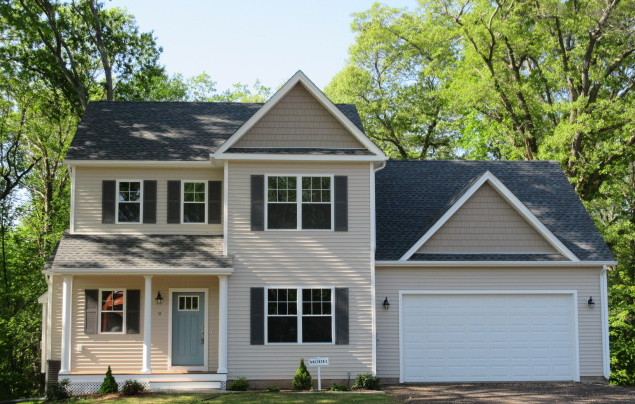
Should you Remodel or Build a New Home?
There is more than one way to get what you want....

5 Design Features For Families That Cook Together
Families today are rediscovering the age-old...
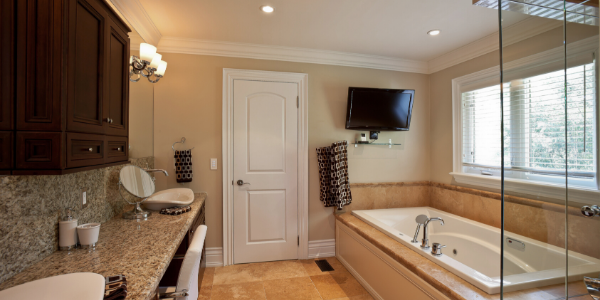
How to Design the Perfect Bathroom
Have you ever been in a newly remodeled bathroom...

Should You Buy a Spec Home – or a Custom Home?
As you drive down the streets in Middletown,...
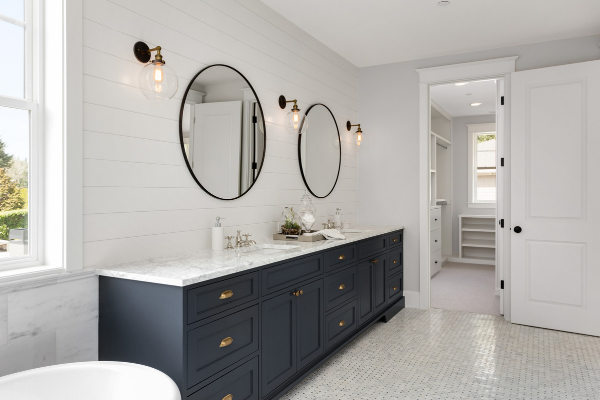
How to Choose Low Maintenance Bathroom Remodeling Materials
A bathroom remodel is a great way to increase...

The Pros And Cons Of Bamboo Flooring
Hardwood and tile flooring have made major...
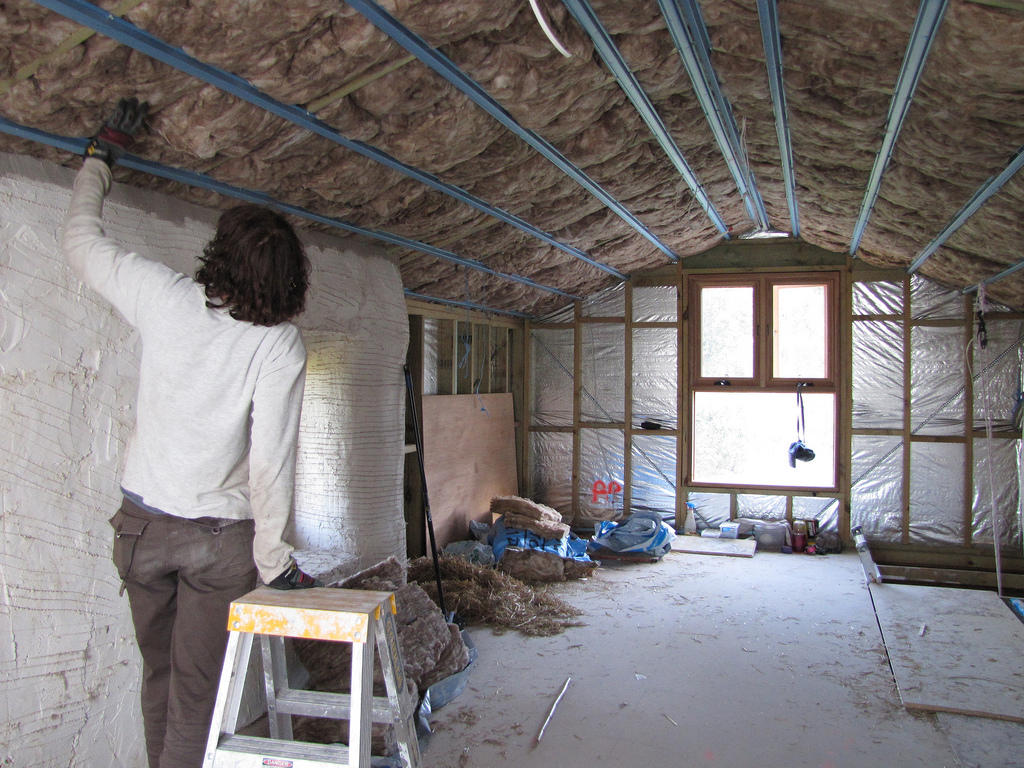
What Is Ekotrope, and How Will It Improve Your Build?
Have you ever considered just how many potential...

What Does a Kitchen Remodel Cost in New Haven?
Kitchen renovations are great ways to increase...

4 Qualities of a Good Home Builder and Remodeler
Your home is, by far, your most important and...

Renovation Costs in Connecticut: What Will That Remodeling Project Cost You?
Maybe you’ve been thinking about remodeling your...
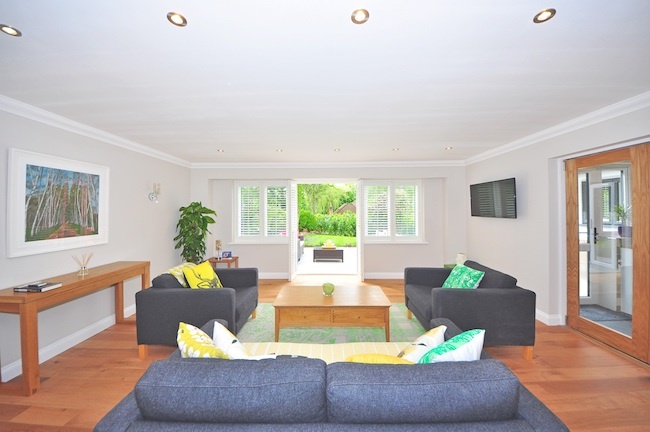
The Top Mistakes in Building an In-Law Suite and How to Avoid Them
Though it's never fun to think about in advance,...
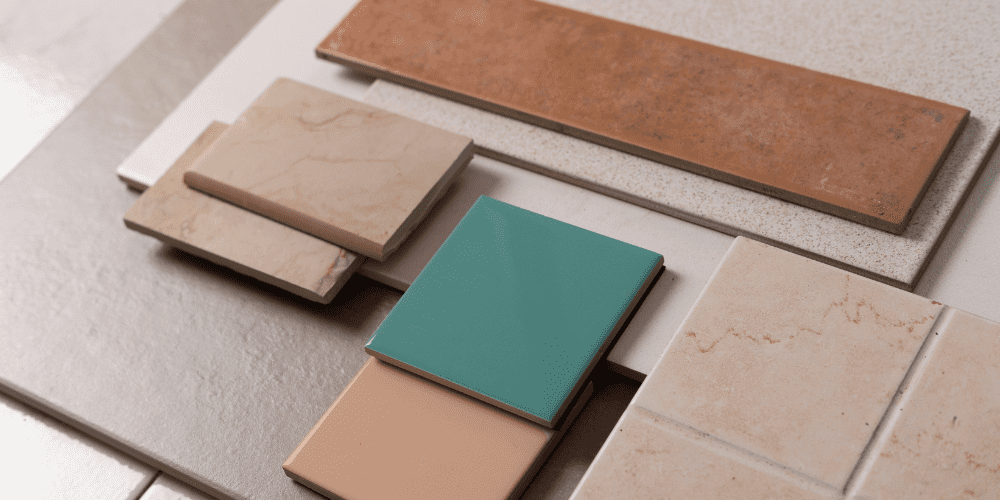
13 Things You Should Know About Tiles
When you’re contemplating building a new home or...
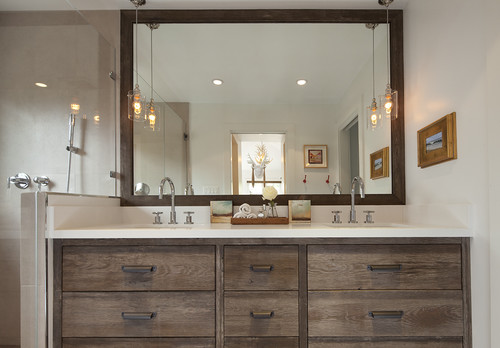
4 Design Ideas for Your Master Bathroom
One of the most important rooms in your home is...

Are Solar Panels Worth It?
Harnessing solar power is an integral part of...

Remodeling For Universal Design
As we age, our needs change. That means our...

Guide to Choosing the Right Kitchen Cabinets in Connecticut
Whether you’re renovating the kitchen in your...

4 Ideas for Decorating Your Home for the Holidays
For some Connecticut homeowners, decorating their...

Remodeling Your Basement: Utilizing Space in Your Home
Basements are one of the most untapped areas of a...
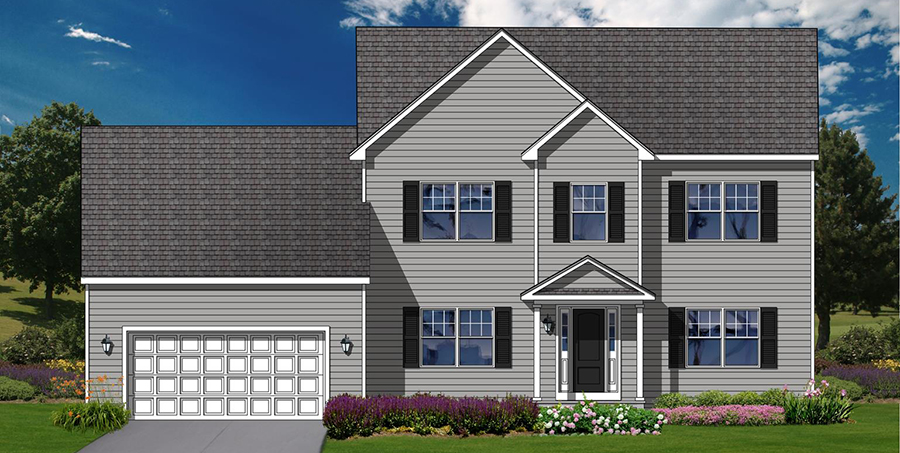
Featured Floor Plan: The Anderson
If you’re looking for a floor plan for a new home...

Your Guide to Living in North Branford
History
North Branford has a rich and long...

Building a Custom Home: Wants vs. Needs
Sometimes there can be a collision when you’re...

Should I Build a New Home or Buy an Existing Home?
Your housing needs may have changed over the...
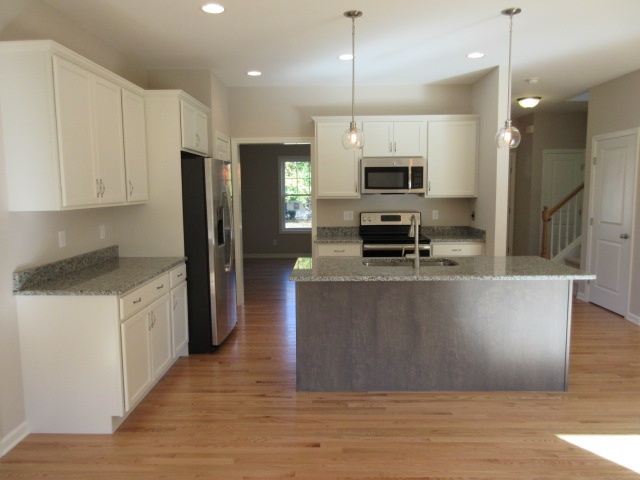
6 Steps to Evaluate a Home Floor Plan
We’ve recently posted a number of articles in our
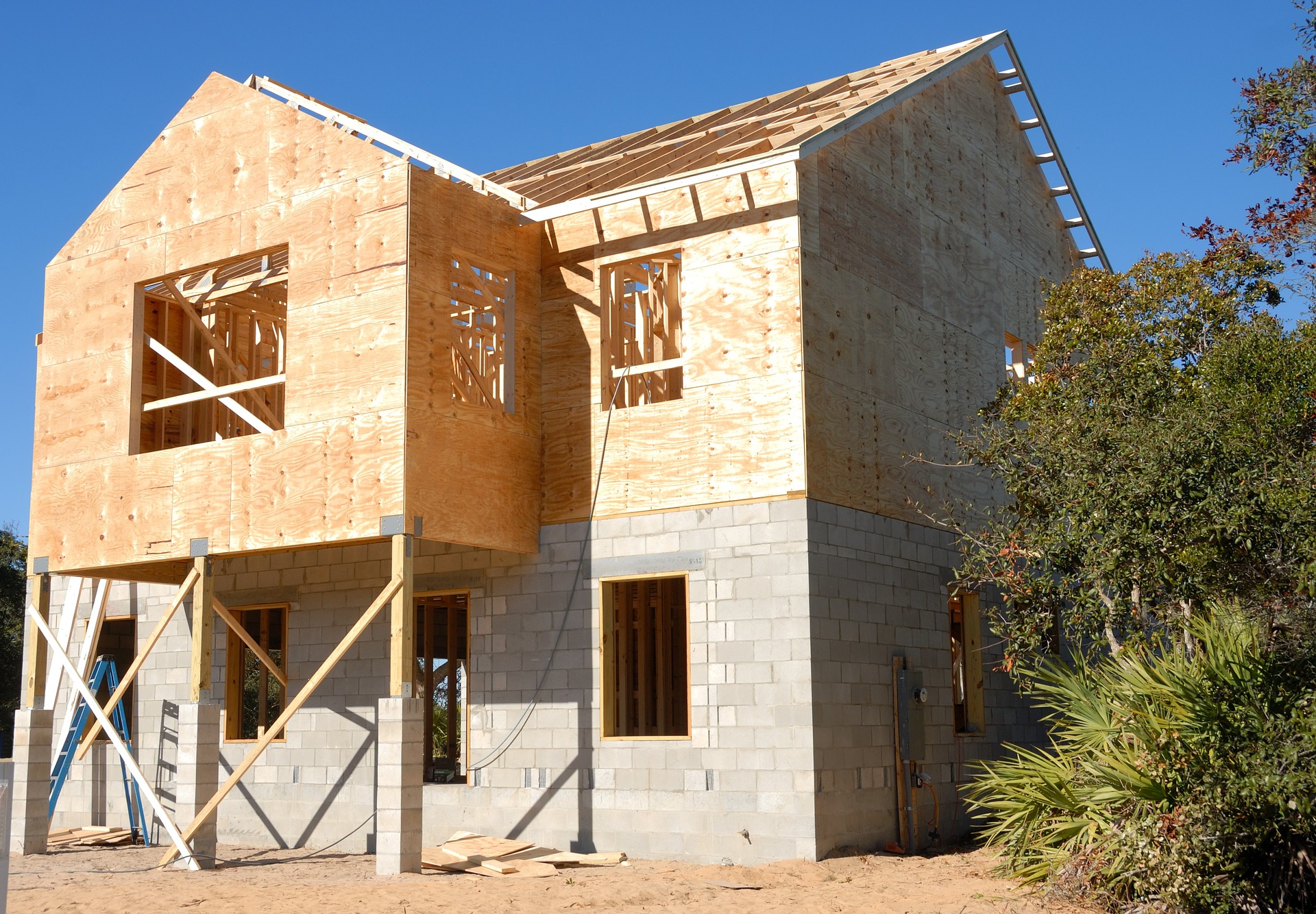
Custom Homes and Semi-Custom Homes: What’s the Difference
When you’re building a new home in Connecticut...
Are You Ready to Build a New Home in Middletown?
Building a new custom home in Middletown,...
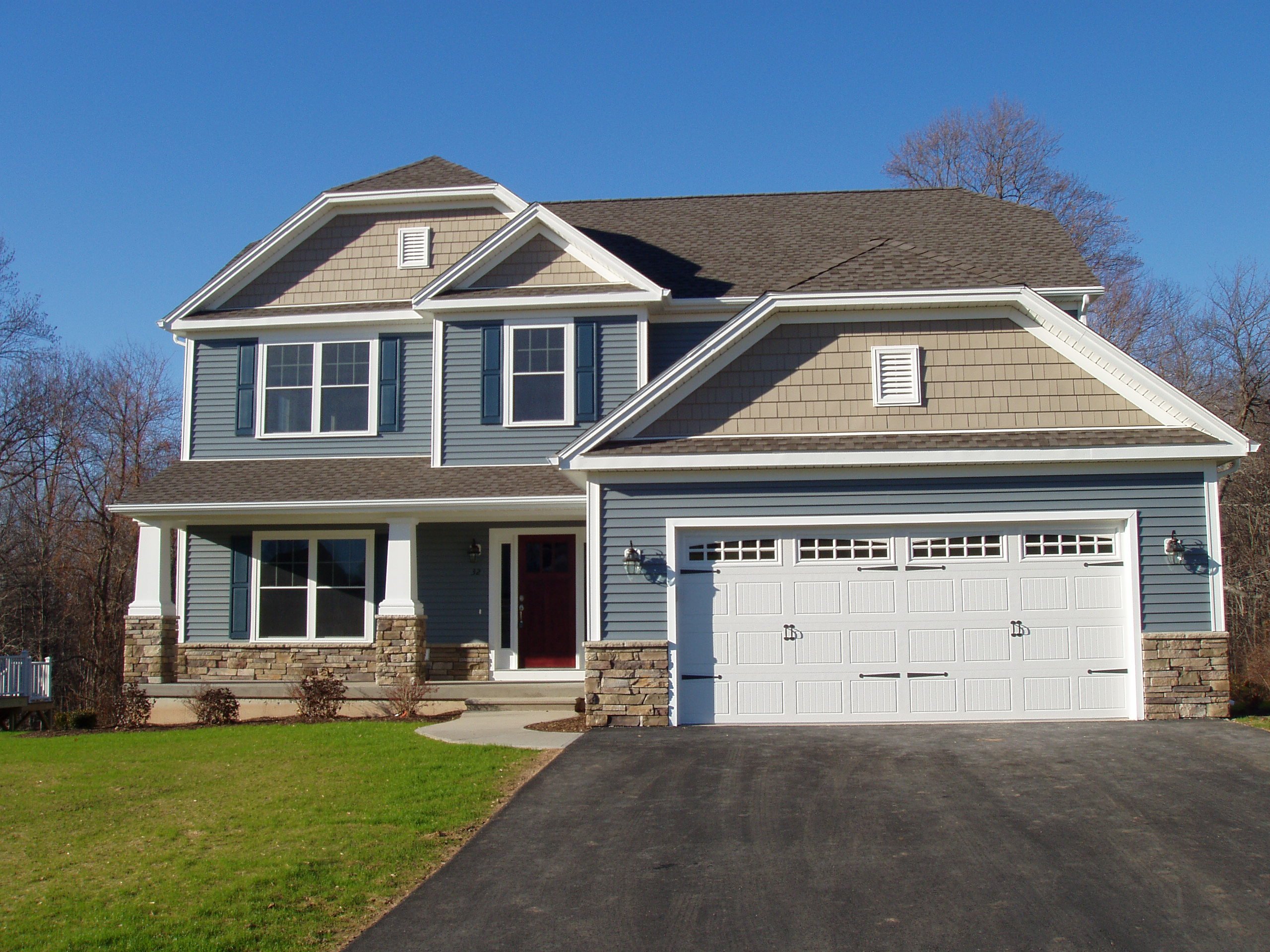
Why Hiring a Middletown Home Builder is All About Trust and Communication
New homes in Middletown don't just build...

What's Your Commute from Middletown?
One thing that makes Middletown such a great...

Moving to Middletown? Here's What You Need to Know
If you’re considering a move to Middletown,...

School Districts in Middletown, CT
If you have school-aged children, choosing a...

Do I Need to Have a Design in Mind Prior to Finding a Builder?
Many of us are familiar with the quote from...
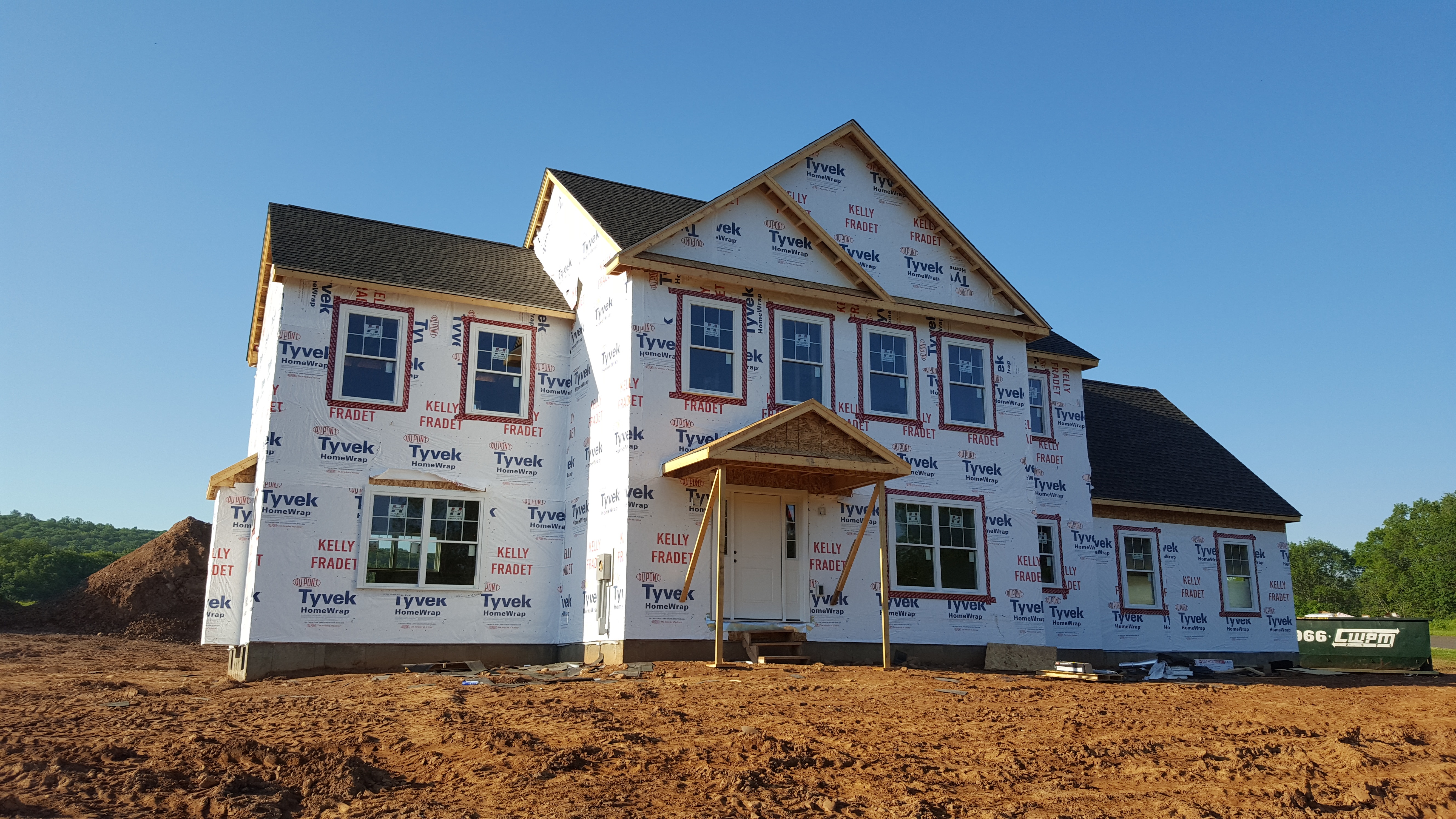
3 Reasons to Build a New Home in Middletown
Many of us have been watching the improvement of...
What Makes a New Home More Efficient?
If you find that your current Connecticut home no...
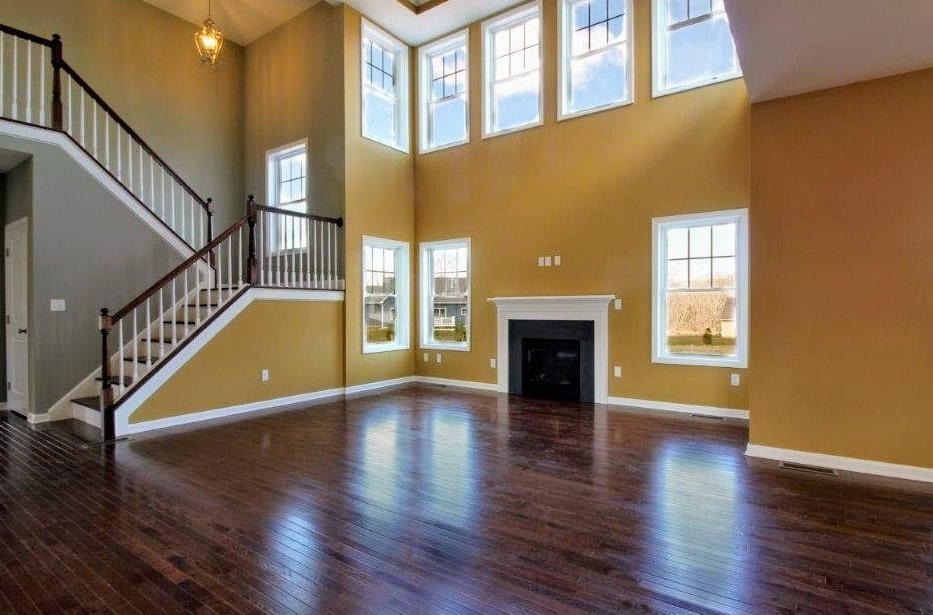
How Much Square Footage Is Right For You?
When you’re thinking about building a new home in...

How Do You Buy a New Home When You Have an Existing Home to Sell?
Building your dream home can be a great...

Do I Need a Real Estate Agent? Or Can I Just Talk With a Builder?
Once you’ve decided that you’re ready to build a...

First Time Homebuyer? Here’s What You Need to Know
Buying a home is generally acknowledged as being...

Choosing a Bathroom Vanity: What You Need to Know
Choosing a vanity for your bathroom is a little...
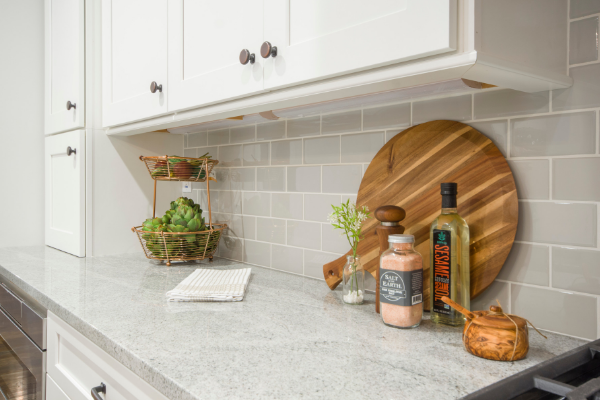
Alternative Countertop Ideas For Your Kitchen and Bathroom
For years granite has held the lofty position of...

How to Make Your Home Pet-Friendly
According to a 2017-2018 National Pet Owners...

4 Ways TV Home Remodeling Shows Set Unrealistic Expectations
Television remodeling shows can be interesting,...

4 Things You Should Consider When Prioritizing Your Home Improvement Projects
You may have a number of reasons for wanting to...
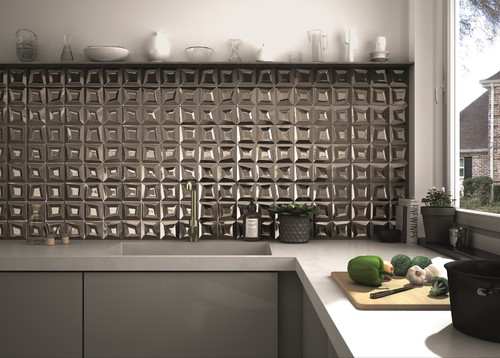

New Must-Have Kitchen Gadgets
There is no question that the overall design of...

How to Conquer the CT Commute
Complaining about your commute is a sort of badge...

5 Fall Maintenance Tips for Your Connecticut Home
There are certain seasonal rituals that we go...

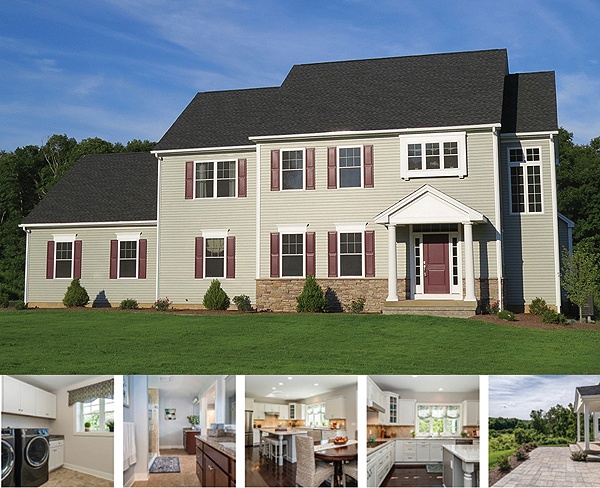
7 Must-Have Features for Your CT New Home
When you begin planning for a new home in the...
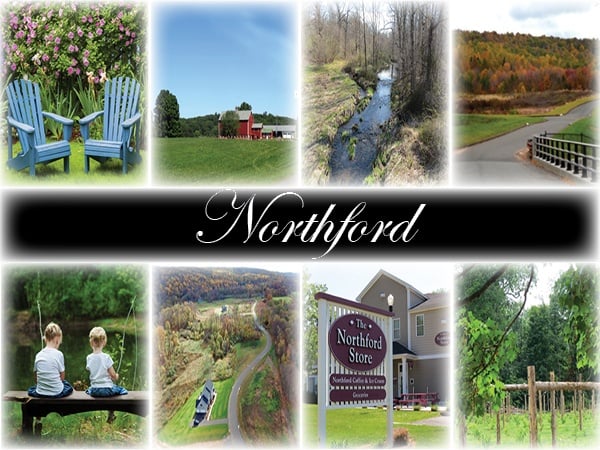
Reasons Northford, CT Should be Your Next Hometown
The place you call home is much more than just...
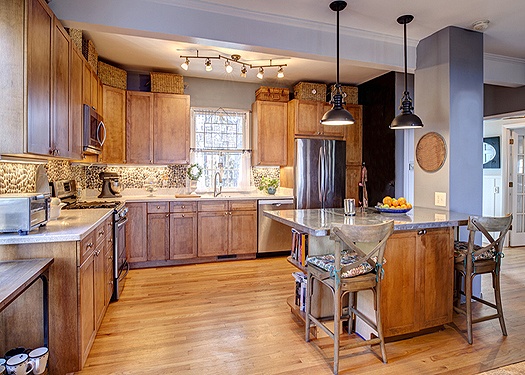
Why Lighting Matters in Your New Connecticut Home
When individuals plan their new Connecticut...

How to Read a Contractor's Estimate
Before you build a new home in Connecticut,...

Why You Should Start Your Own CT Herb Garden
When you think about your Connecticut home,...
Constant Learning is a Big Part of the Custom Homebuilding Process
There are always new products and processes when...

Remodeling Your Home for All Stages of Your Life
If you’re considering remodeling your Connecticut...

Why it's Important to Build with an Experienced Builder
It’s still early in the new year and many of us...

How to Avoid Bad Traffic Flow in Your Remodeled CT Kitchen
Getting traffic to flow smoothly through your...

Tips to Foster Community in a New Connecticut Community
Finding a fantastic home in a great new community...

What to Look For When Buying New Home Insurance
There are lots of interesting and exciting things...

Reasons Sunwood Developers Chose to Build in Northford, CT—and Why It Matters to You
As Connecticut builder who have been in the...

What will your neighborhood look like in 5 years?
Building a new home in the Wallingford area is...
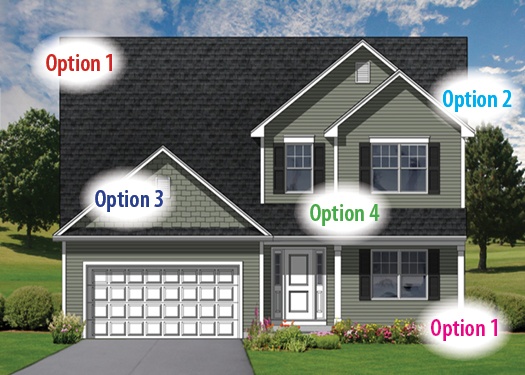
Why Adding Options to Your New Home Up Front Makes Sense
If you’re considering building a custom home in...

Signs Your Meriden Neighborhood Will Mature Well
Buying a new or existing CT home is about more...

How to Evaluate a CT Custom Home Floor Plan
A good floor plan is one of the most...

Neighbor Relations vs. Neighborhood: Settling In
When you’re building your dream home in CT, your...

Small Appliances Every Kitchen Should Have
Kitchens have always been the heart of the home,...

How to Interview CT Remodelers
You may already have some clear ideas about...

The Myth of the “Standard Price” in Custom Homes
Here’s the thing about custom homes: everything...

How to Check a CT Remodeler's References
You’ve probably heard how important it is to ...

Why High-End Doesn’t Always Mean High-Quality
When it comes to major purchases like cars or...

Confessions of a Custom Homebuilder: "What I Wish Clients Had Told Me."
Building custom homes is a pretty unique...

12 Reasons to Move to Wallingford, Connecticut
With a population below 50,000, Wallingford,...

Remodeling Your Kitchen to Fit Your Lifestyle
Kitchens are, according to the old saying, the...

The Tile Guide: Types, Sizes, Patterns and More
Tiles are one of the few construction products...
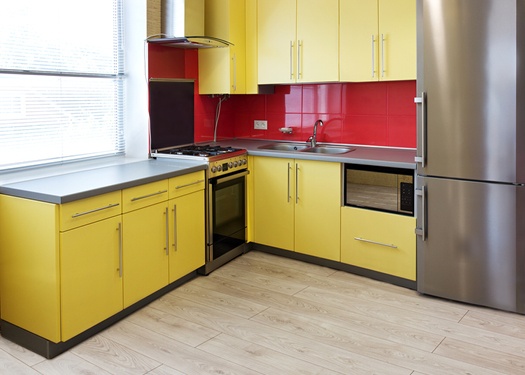
CT Kitchen Remodeling and Color: Can You Have Too Much of a Good Thing?
There is a great scene in the blockbuster...

Understanding Your CT Home Warranty: What It Covers and What It Doesn’t
One of the great things about building a new home...

How Often Should I Hear from My Homebuilder?
Most people who decide to build a custom home...
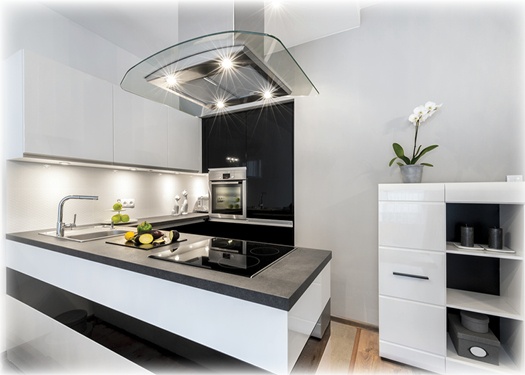
Should Trends Influence Your CT Homebuilding or Remodeling Decisions?
The housing industry (which includes both...

Super Deck: Upgrades That Take Your Deck to the Next Level
Many people focus on the inside of their home...

5 Ideas to Transform Your Attic
If you’re fortunate enough to have an attic in...
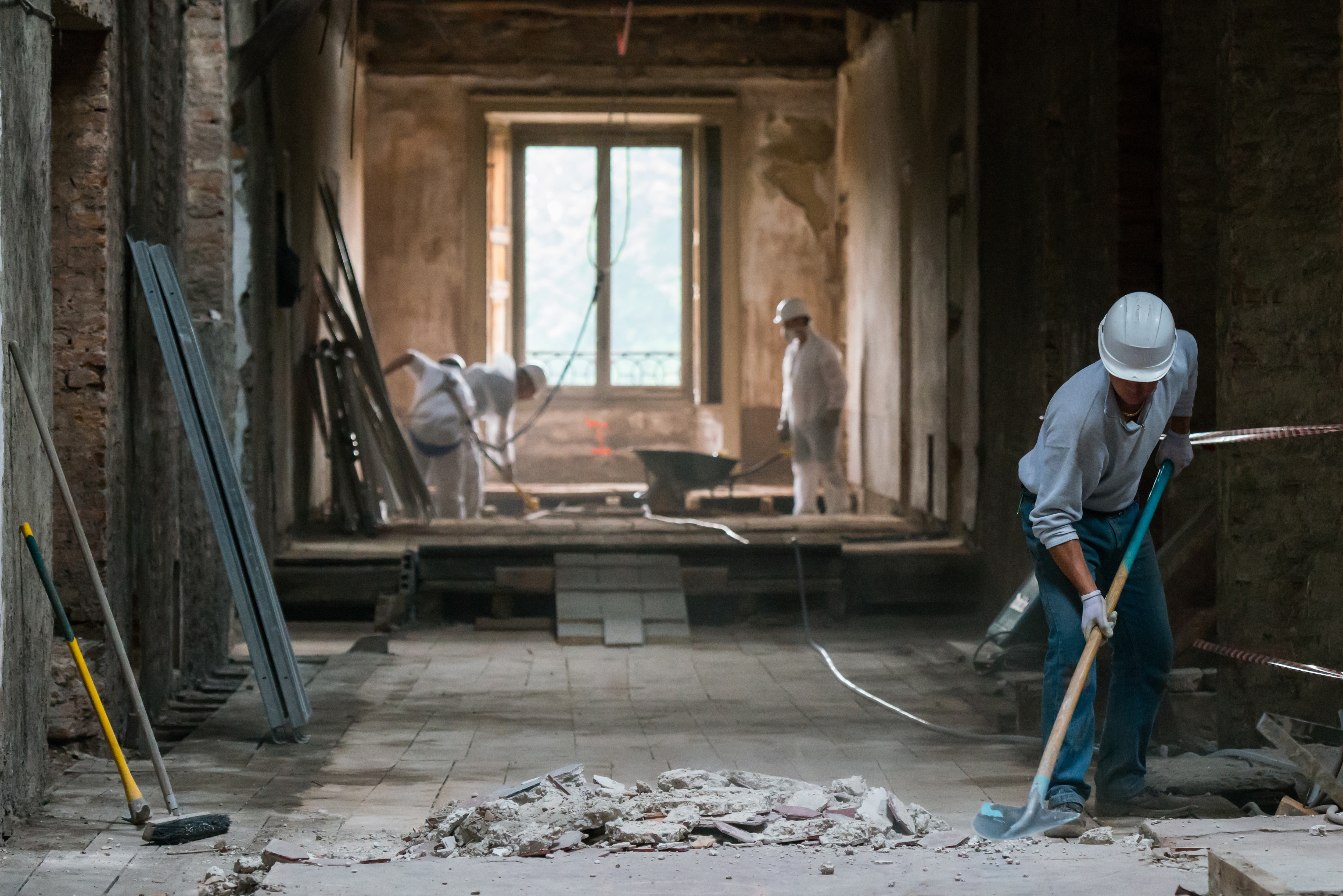
Remodeling Nightmares: What's Hiding in Your Walls?
Additions and renovations should be a dream come...

3 Things to Consider Before Building a New CT Home
When you’re thinking about building a new custom...

How to Choose the Ideal Agreement with A Custom Homebuilder
Most people love the idea of building a custom...

6 Critical Factors for Remodeling Success
Whether you’ve just bought a home that you’re...

Landscaping That Makes Sense for Your CT Home
Your home extends beyond the four walls that...

Dealing with Analysis Paralysis When Building Your CT Home
If you’ve never built a custom home in...
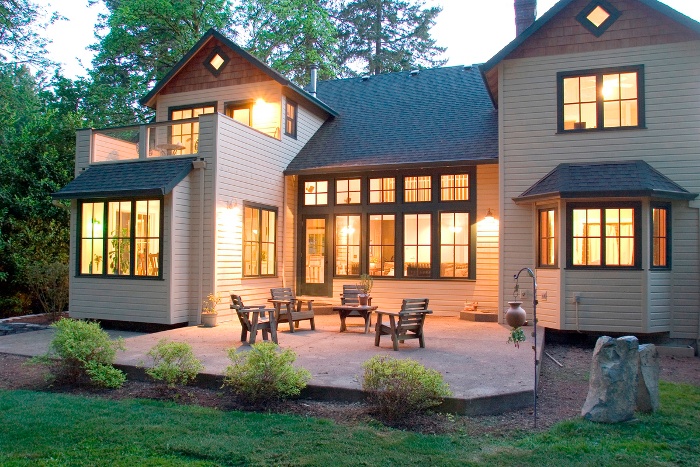
New Year, New Yard: Landscaping Ideas for 2016
It’s nearly that time again. Time to move your...

Is Compromising With Your Builder Good or Bad?
Is it a good thing or a bad thing to compromise...

Fire Proofing: How New Homes Are Made to Resist Fires
A house fire is high on the list of homeowner’s...

Connecticut Lot Choice Matters: Here's Why
If you thought the most important part of...

Energy Efficiency in Your CT Home: The Good News and the Better News
It’s hard to find a homeowner these days who...
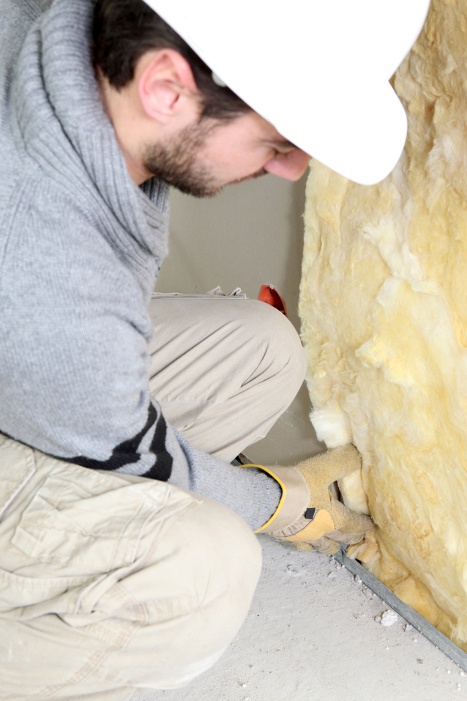
16 Facts About Insulation in Connecticut
Insulation is one of those things that you never...

Reasons Your Custom Home Might Be Delayed—And What You Can Do About It
Once you make the decision to build a new custom...

Understanding Pricing Fluctuations in Your Area
One of the biggest reasons for caution when it...
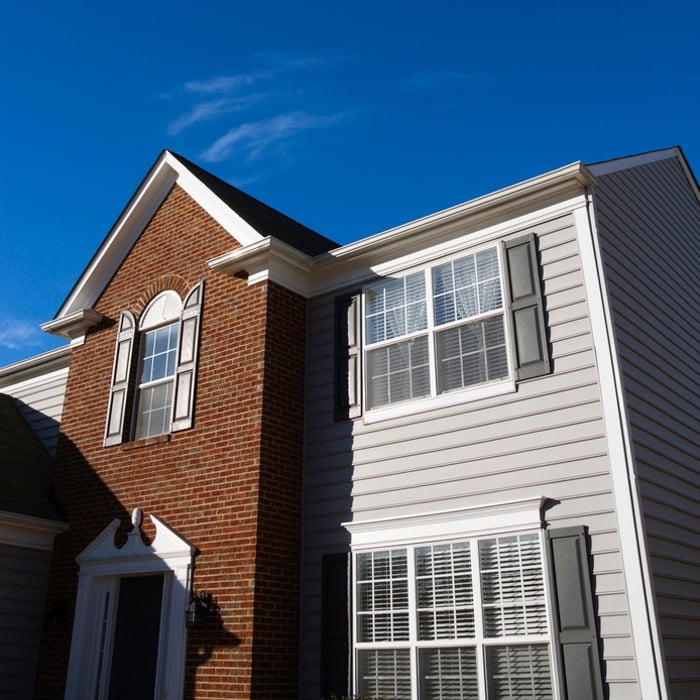
20 Things You Need to Know About Siding, Cladding and Facing
Siding, cladding and facing take up most of the ...
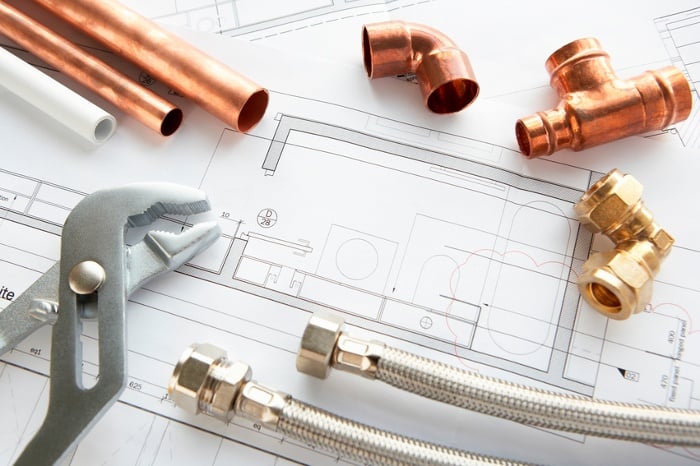
Plumbing Speak: Common Terms Explained
Wondering what your plumber is saying when he is...
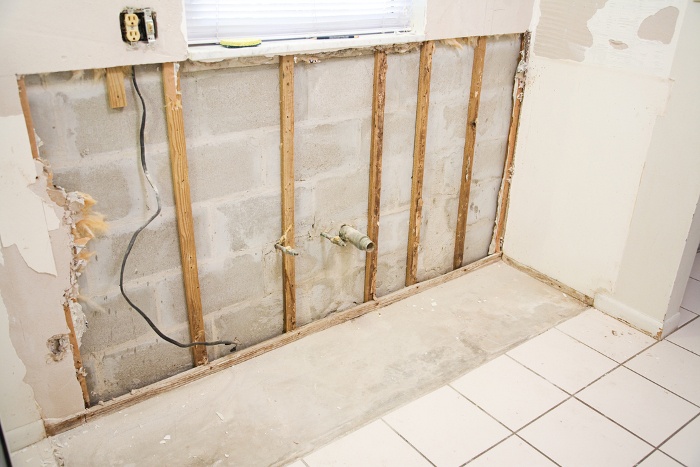
Homeowner Nightmares: Dealing with Mold
When it comes to things that homeowners hope to...


Building Homes and Building Community: North Branford Food Drive and Ice Cream Social
The team here at Sunwood Development has been...

6 Ideas to Update Your Mantel
Winter is just around the corner, and that means...

Decision-making in the Custom Home Design Process: Here’s Help!
If you’re thinking about building a new home in...

Contingency Plans: Why They Matter, and How to Ensure You’re Covered
If there is one thing that is guaranteed about...

How Your Connecticut Custom Home Values Differ Based on Age: Early 30s, Early 40s. . .
When you decide to buy your first home, you’re...

Managing Information Overload: How Do I Research my Custom Home?
The early stages of planning your custom home are...

Boring Things That Matter a Lot in Your Middletown Custom Home: Plumbing, Electrical, HVAC
Whether you’ve lived in your custom home for a...

10 Minutes That Can Put Your New Homebuilding Concerns Into Perspective
One of the most common questions I get as...
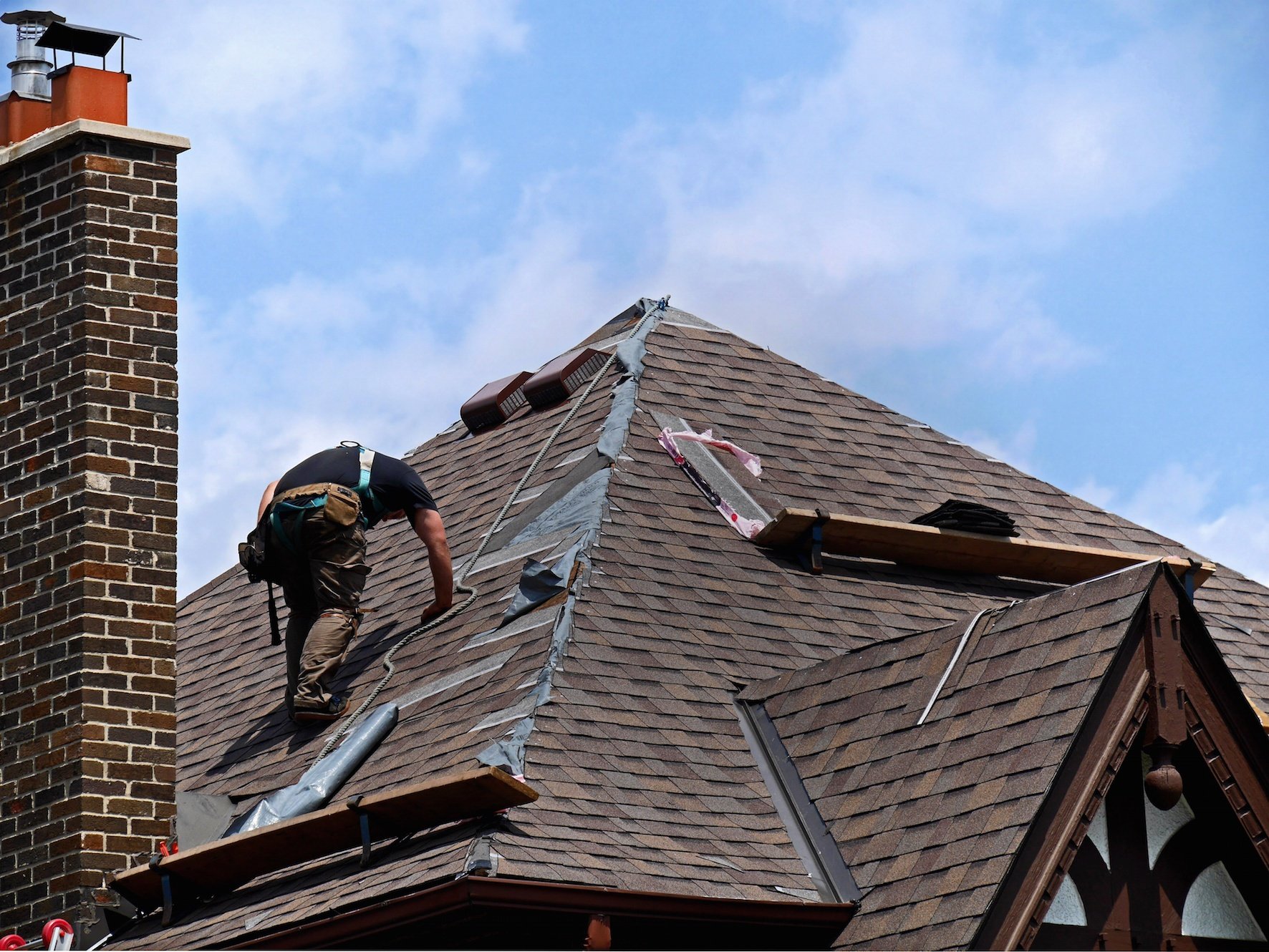
Choosing Roofing Styles for a New Middletown Custom Home
Deciding on a roofing style for your home is a...
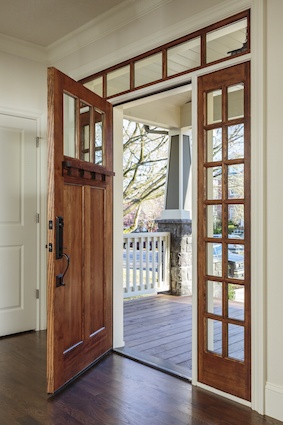

Who, What, When, Where, and Why: Key Questions for Individuals Looking to Build a New CT Home
When journalists are being prepared for their...
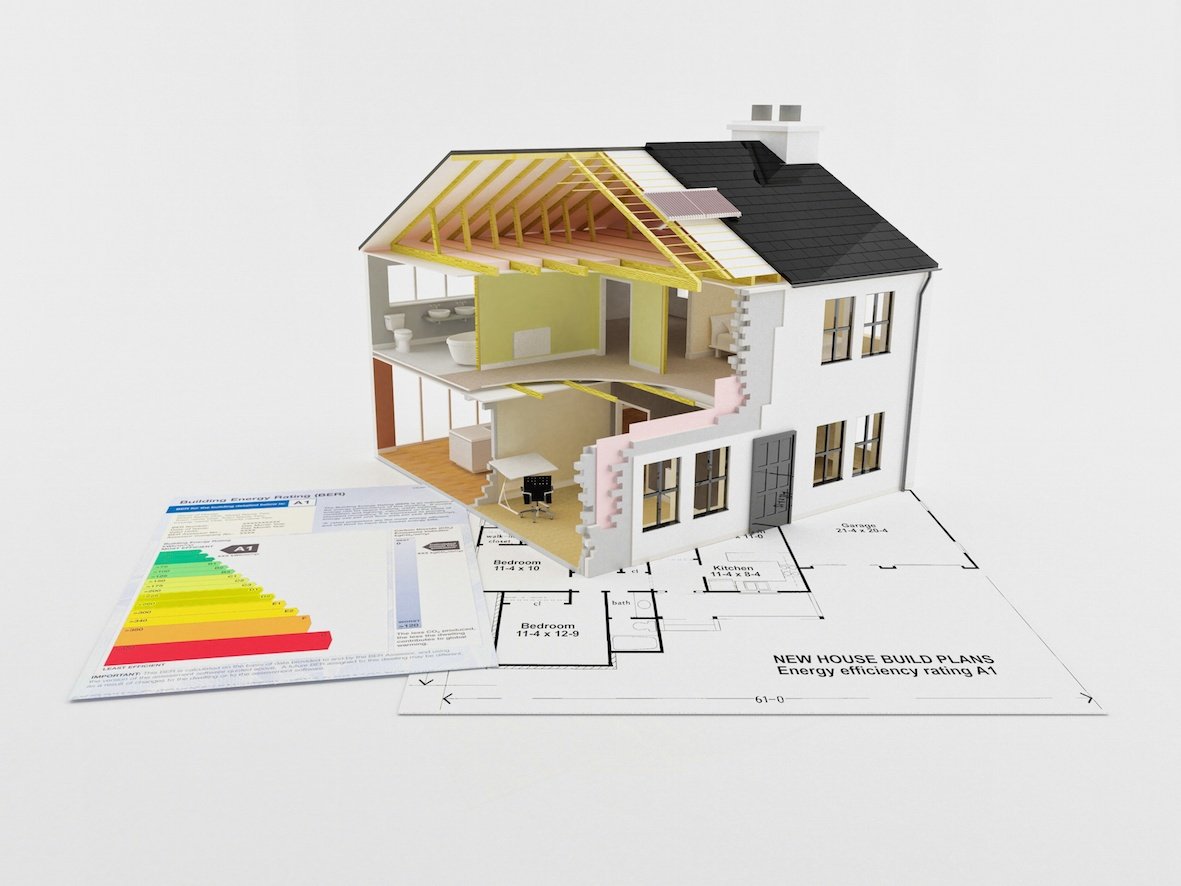
All About Insulation: It’s Not Just for Winter! “Summerize” Your Wallingford Custom Home
While you may still see snow and ice when you...

Wicked Walls – How to Choose Your Connecticut Color Palette
You’ve been busy making decisions about the house...

5 Tips for Beautiful Bathrooms in Your Connecticut Custom Home
The bathroom in your Connecticut custom home is...

What Does an “Exclusive” Neighborhood mean to you? Check Out The Homes at Royal Oaks
We’ve all head “exclusive” offers on TV, radio,...

Bedroom Basics: Choosing the Right Wall Treatments for Your Middletown Master Bedroom
If you’re beginning to renovate your master...
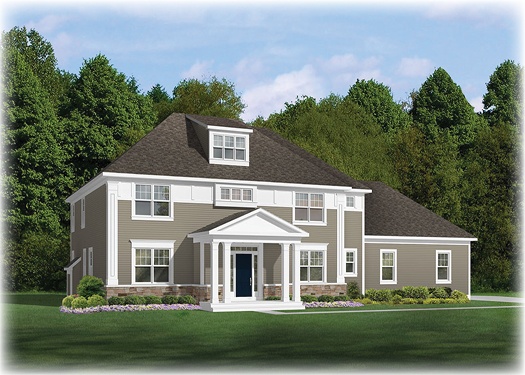
Building a Great Energy-efficient Home in CT Begins with Great Planning
If you’re thinking about building a new home in...
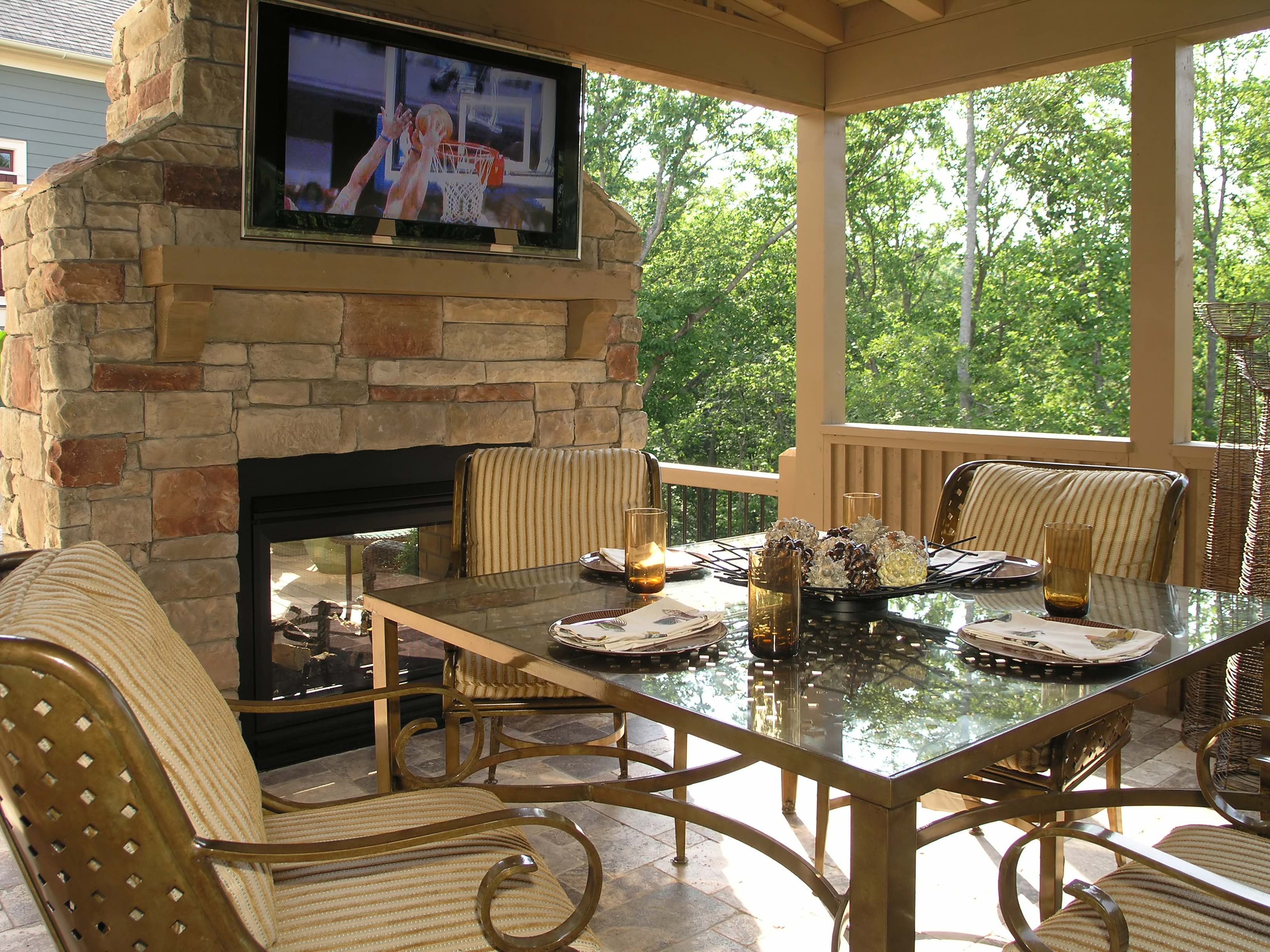
Outdoors Oriented? Make the Most of Your Middletown Home's Options
Whether you’re buying a new Middletown custom...
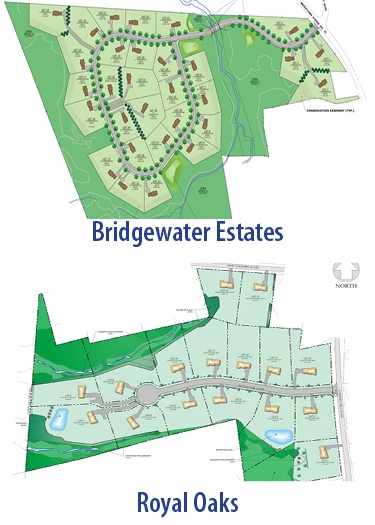
Explore Two Great New Communities in the Wallingford Area
Some might say that there’s nothing new under the...
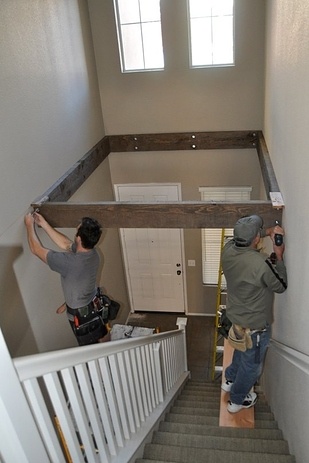
Make a Playroom from Unused Space in Your Wallingford Custom Home
It’s time. Now that you and your partner have...

4 Really Smart Storage Space Ideas for Your New Connecticut Custom Home
Almost every family, no matter the size of their...

Is It Still a Bathroom If There’s No Bath?
If you’re gathering information about building a...

Open-Plan vs. Traditional: How to Choose Between Them for a Middletown Custom Home
You may have heard some of the buzz surrounding...
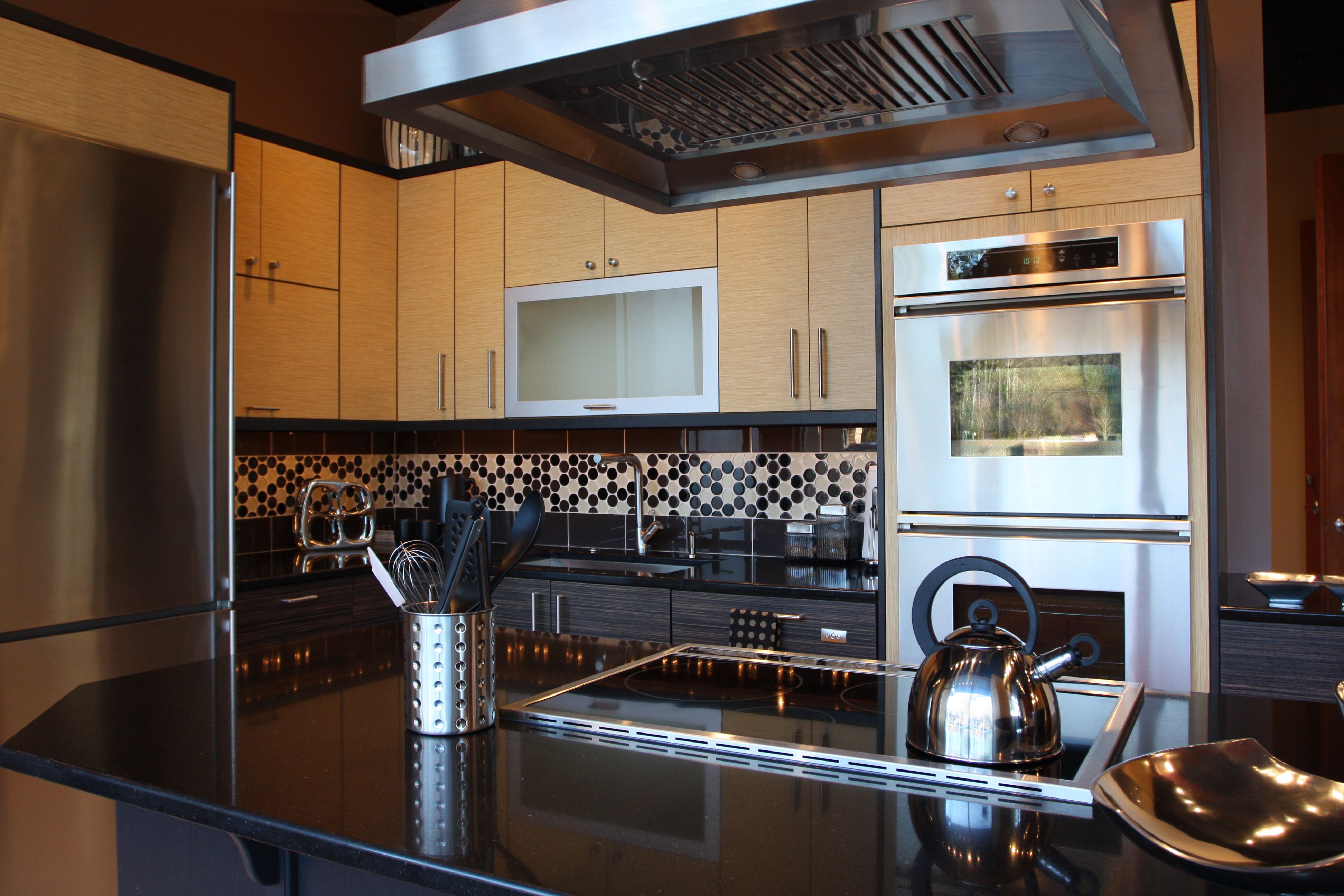
How to Pick the Right Kitchen Countertops for a Middletown Custom Home
Kitchen countertops come in a whole array of...
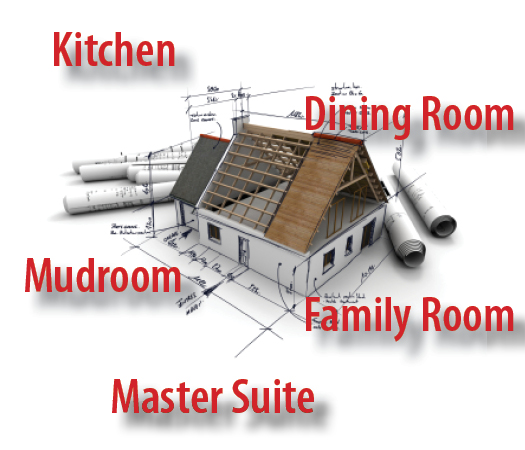
Which Room in Your CT Home Is Most Important to You?
As custom homebuilders, we pay close attention to...

Connecticut Home Renovation: 5 Tips for Choosing the Right Living Room Wall Color
Picking the perfect color palette for the living...
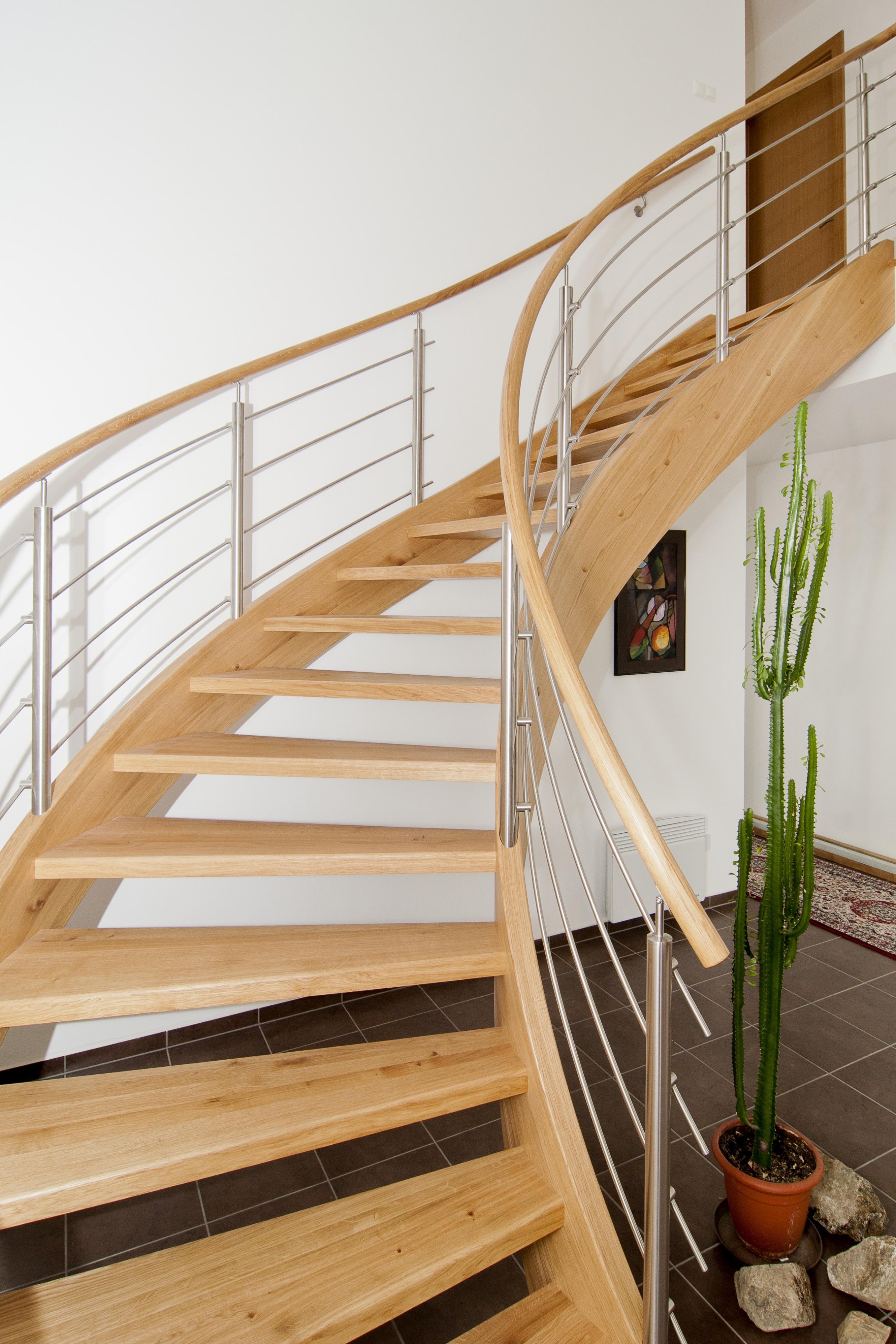
Taking the Stairs (Literally!) in Your Middletown Custom Home
A staircase is a staircase is a staircase, or so...
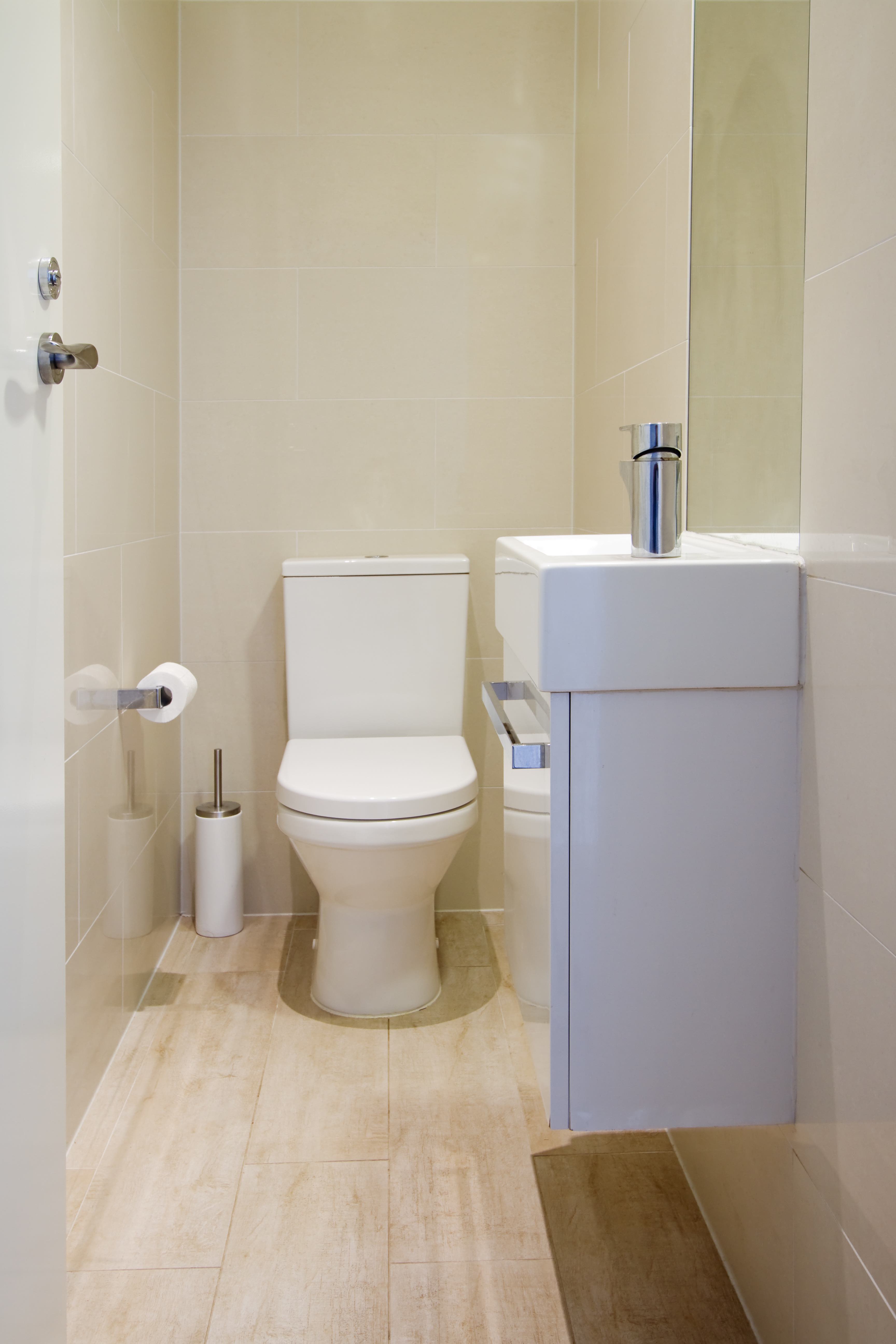
Purposeful Powder Rooms in Middletown: What's the Return?
The addition of a powder bathroom as part of your...
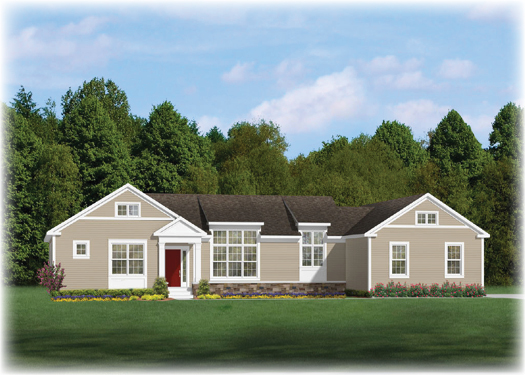
When Single-Level Living Makes Sense
Some homeowners love the idea of separating...
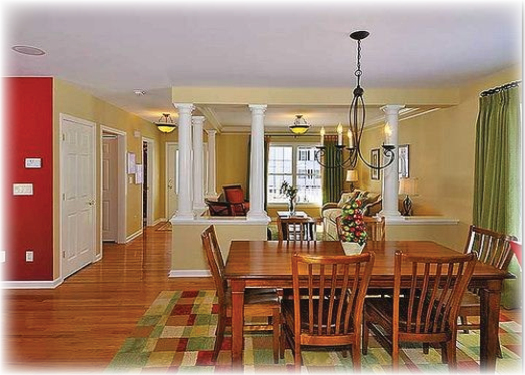
Open But Well-Defined
Open design floor plans are everywhere these...
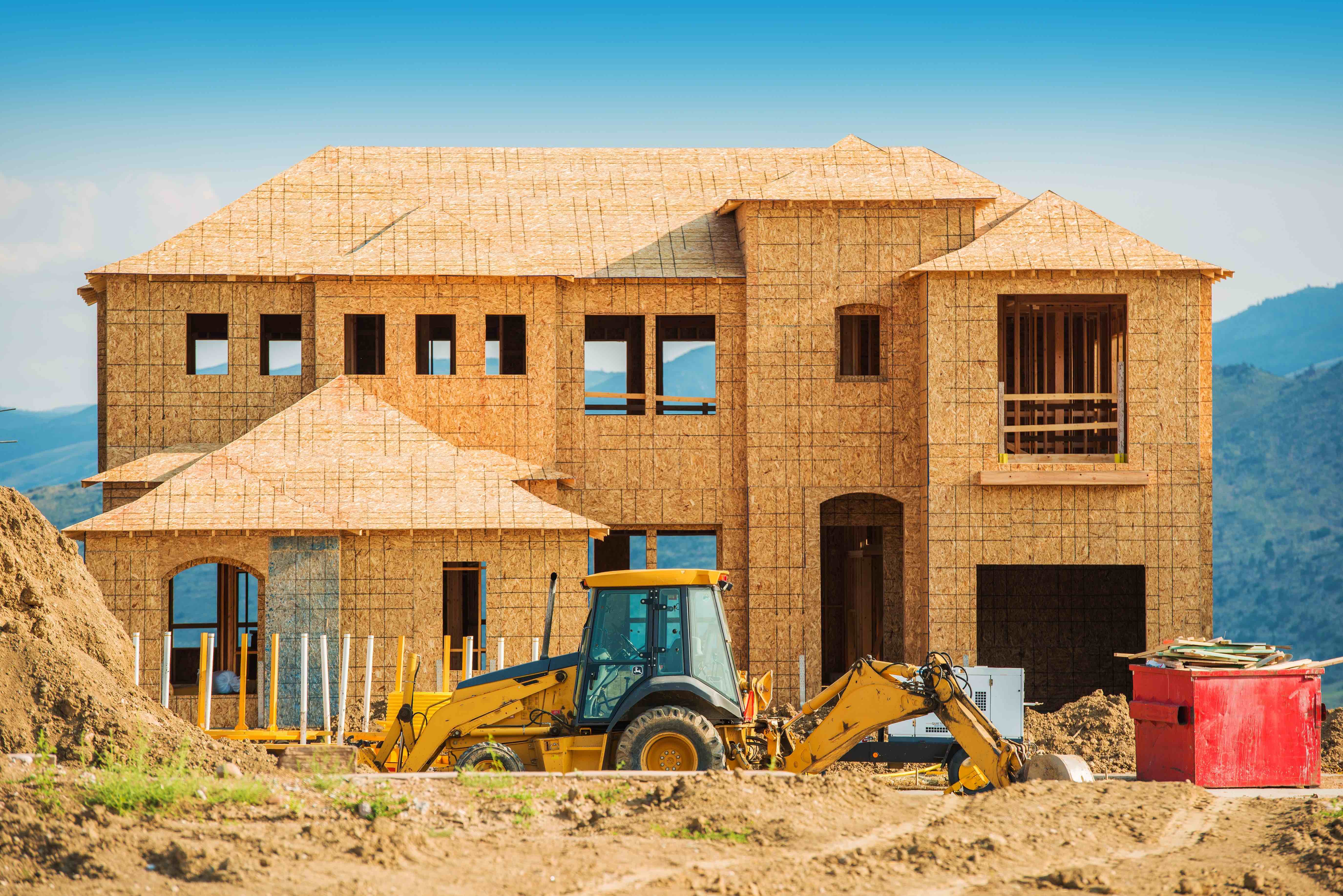
5 Benefits of Building a CT Custom Home
There are pros and cons to everything in life,...

How to Design a Wallingford Custom Home That Offers Good ROI
Whether you’re building a new Wallingford custom...
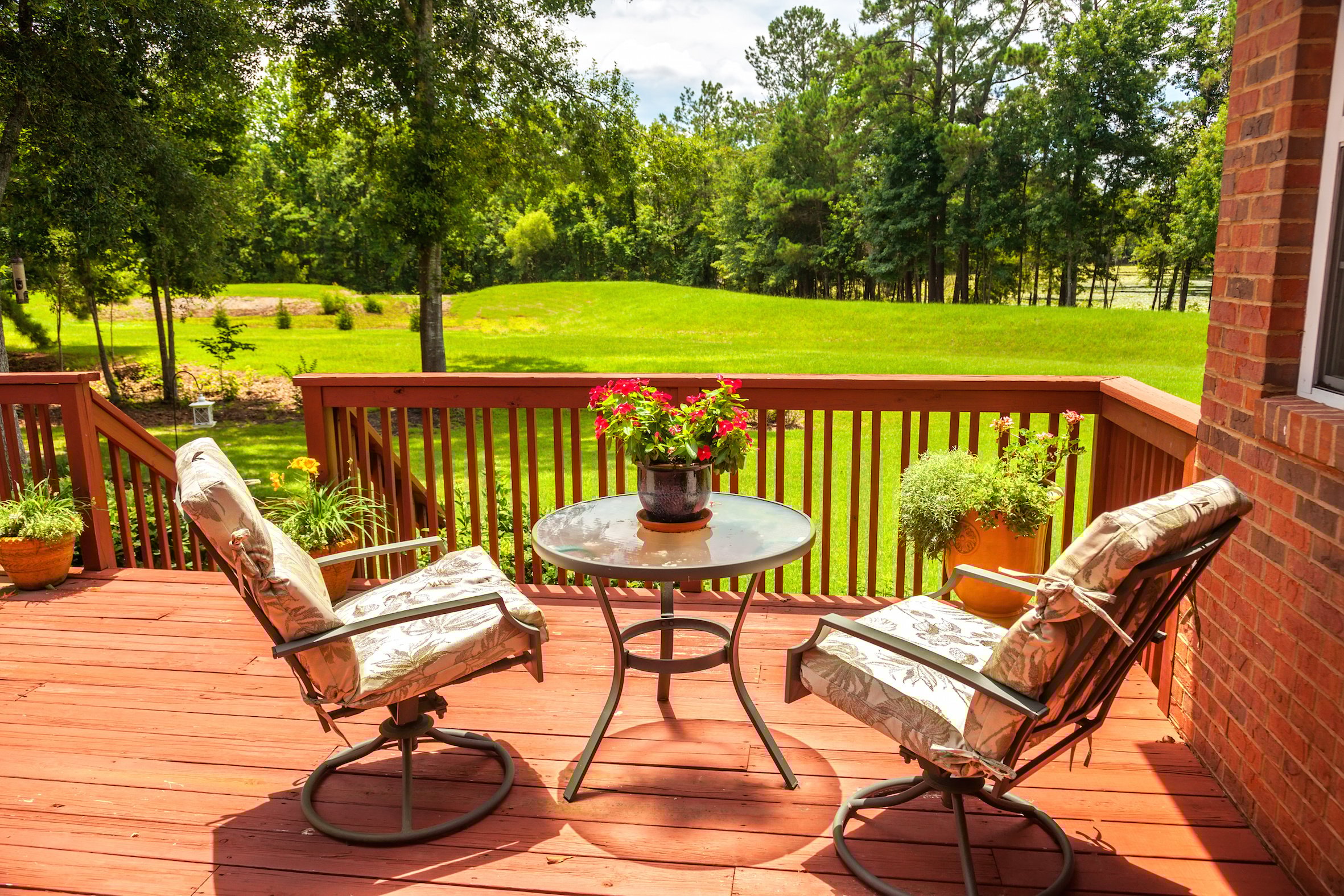
Are You Embarrassed to Entertain in Your Wallingford Home?
Do you avoid inviting guests other than close...
Which Wallingford Renovation Projects Deliver the Best Remodeling ROI?
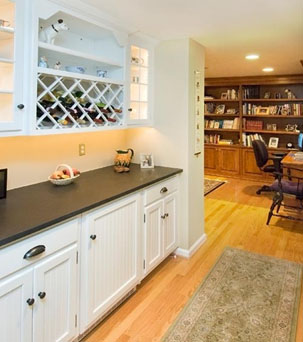
It’s one thing to consider taking on a...
Planning for Comfort and Convenience: The Importance of Your Custom Home’s Floor Plan
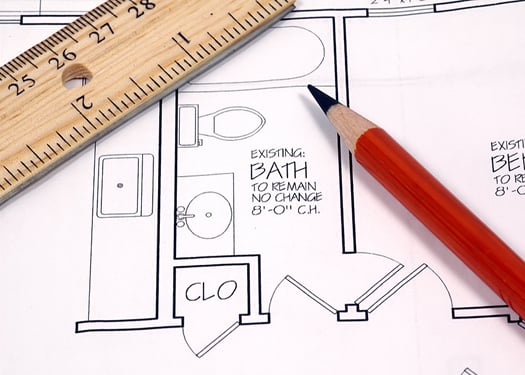
Creating the perfect family home doesn’t just...

What’s On Your Wish List for Your CT Custom Home?
People who think about building a custom home...
Things to Remember When Remodeling Your Whole House in Connecticut
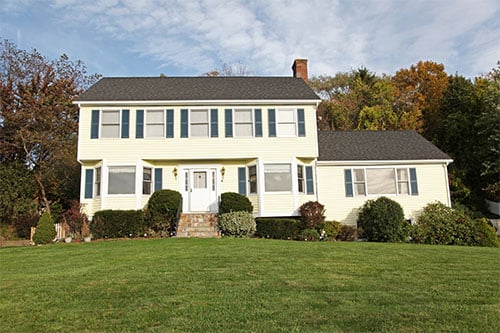
It’s easy to get carried away with shine and...

6 Steps to a Greener CT Custom Home
We love the Connecticut Communities where we...

Open Floor Plan—The Right Type For You? 5 Ways For Middletown Buyers To Know
Over and over, we hear the same phrase when...
Floorplan of the Week: The Cedar at Ridgeview for Upstairs/Downstairs Living
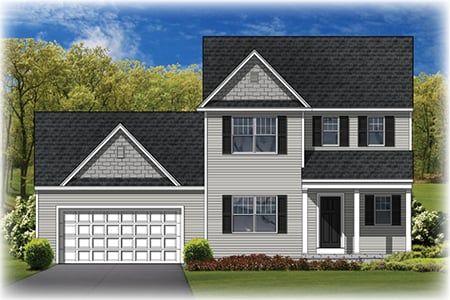
If you’re looking for a Colonial style home that...

Take a Look Inside our Ridgeview Model Home in Middletown!
Floor plans and artist’s renditions of the...
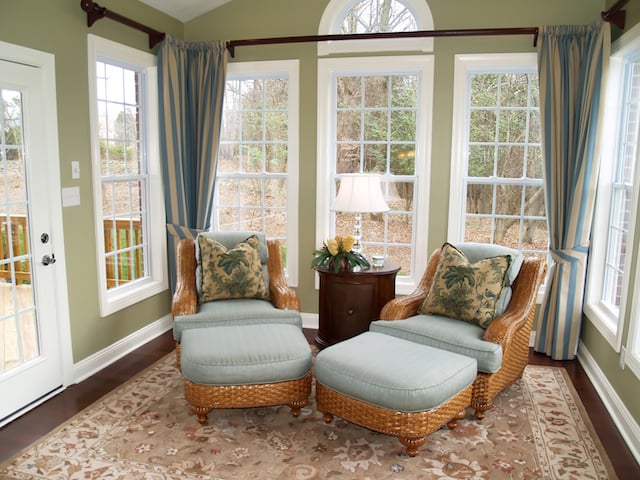
Add Extra Space Without Big Costs By Converting Your Middletown Porch Into a Sunroom
The porch is the pinnacle of Americana. You may...
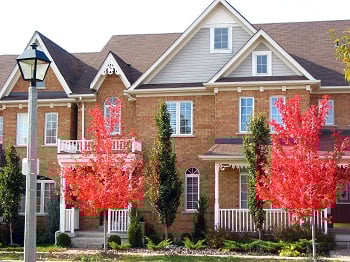
Selling your home? Increase Your Home's Value with These Small Repairs
If you’re looking for ideas on how to sell your...

Every Connecticut homeowner should know about these 2 potential dangers in an older or historical home
New England is famous for the quaint antique...

4 cool vintage touches to add to your remodeling project
Vintage is all the rage. It’s not hard to see...

What a Water Feature Will Bring to Your Home
Who doesn’t appreciate the beauty, peace, and...

Reasons For Installing a Stone Kitchen Floor
When faced with the decision of what type of...

Should You Buy Tile for Your Outdoor Kitchen or Patio?
The idea of an outdoor kitchen or outdoor patio...
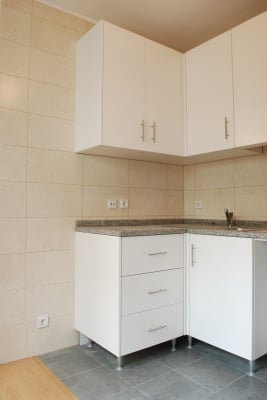
Why to Choose a Stone Floor
When faced with the decision of what type of...

4 ways to live through your kitchen remodeling project
It’s a strange thing – while remodeling your...
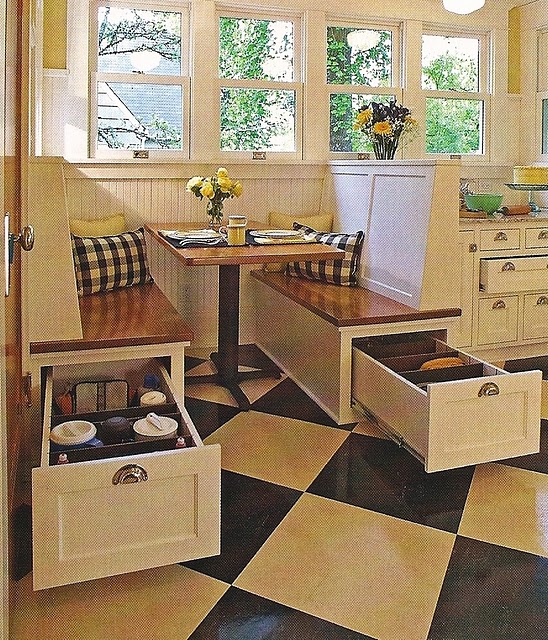
Smart Storage Options To Double Your Available Space
The more space we have, the more stuff we buy to...
How to Choose the Right Lot for Your New CT Home
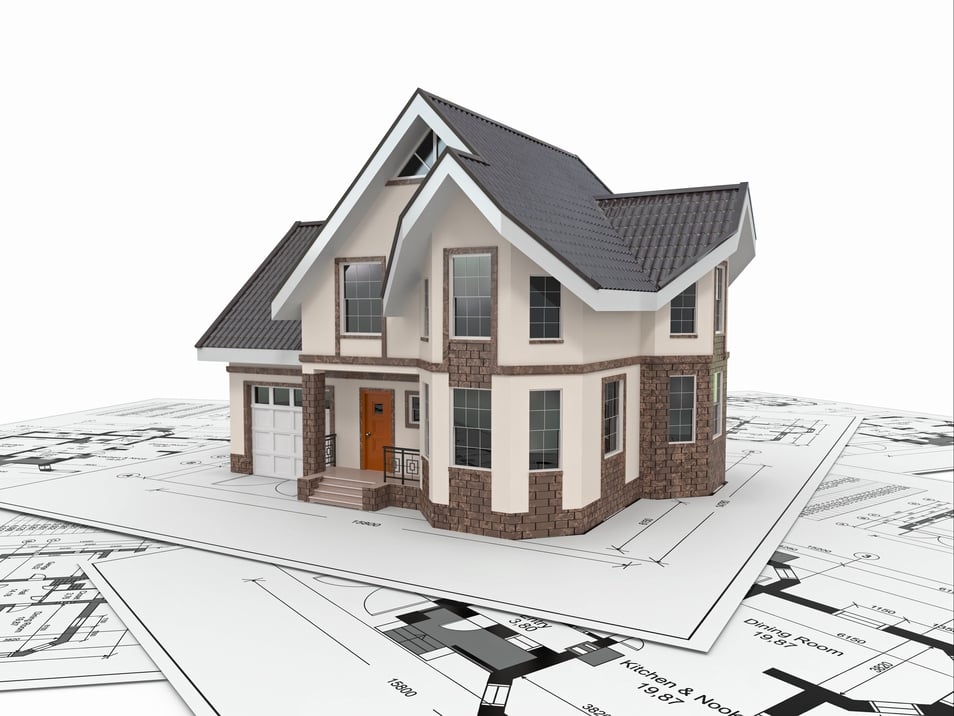
In the excitement of deciding to build your new...
5 Remarkable Custom-Built Homes To Give You Ideas
As a homeowner with good taste, you know that a...

Do You Have to Use Your Builder’s Plan to Build Your Custom Home?
We all run into people who are convinced that...
3 Great Ways a Kitchen Remodel Boosts Your Home’s Value
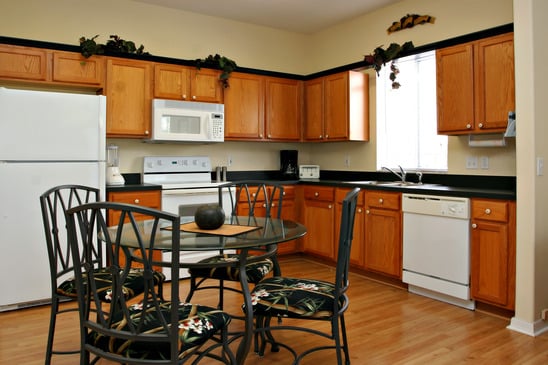
Of all the remodeling projects you could...
3 Exciting Flooring Trends You Should Know About
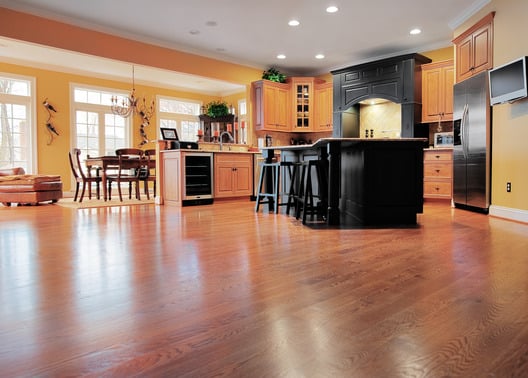
Floors may be underfoot, but they should never...

Taking Green Into the Shower
We love to help clients save energy and money....
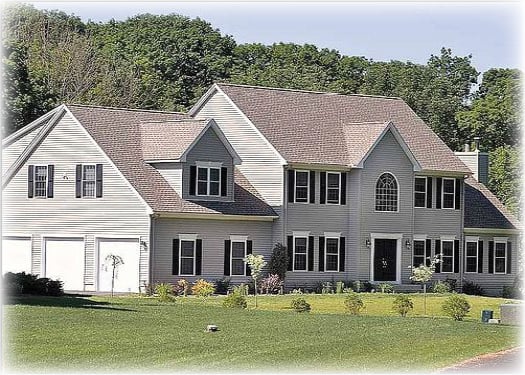
What Does a CT Custom Home Really Look Like?
Have you ever tried to describe a dream to...

2 Common Delays When Building a Custom Home In CT
You’ve got everything set up to build your new...

How Do You Like to Learn About Homebuilding And Remodeling?
We all have different learning styles. In...
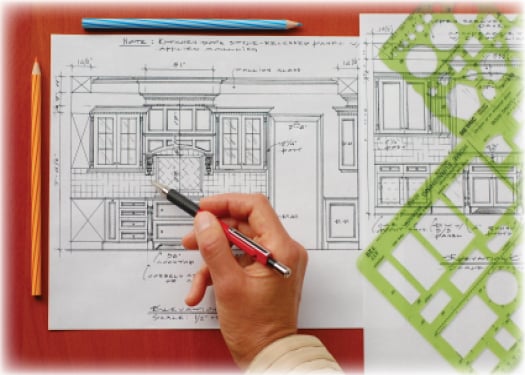
Form Or Function? What’s More Important For Your CT Kitchen Remodel?
If you’ve decided it’s time to remodel your...

What’s Your Role In the Homebuilding Or Remodeling Process?
Maybe you’re seriously considering building a...

Does It Matter If Your CT Builder Is an “Award-Winning” Builder?
Everybody likes recognition when they do...

Balancing Emotions And Decisions in the Home Design/Remodeling Process
Building or remodeling a home is one of the most...

Wallingford Green Remodeling: 4 Creative Ideas For Green Home Remodeling, Part 1
“Green” doesn’t always mean simple, rustic or...
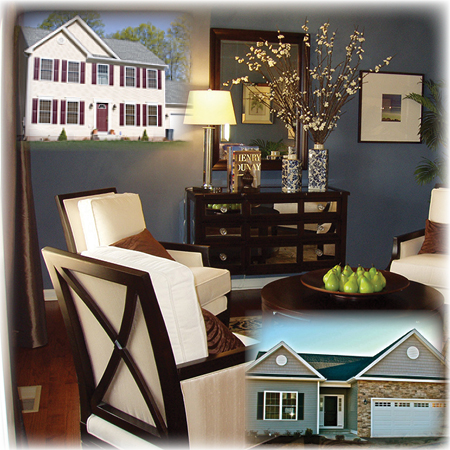
What Kind Of CT Community Fits Your Lifestyle?
Just what are you looking for in a new...

You Want To Build Your CT Home Out Of What? A Look At Some New “Green” Building Materials
We all remember the story about the three little...

CT Homeowner Tips: Why Smaller Homes Benefit From Outdoor Kitchens
Today for our CT homeowner tips, we focus on a...
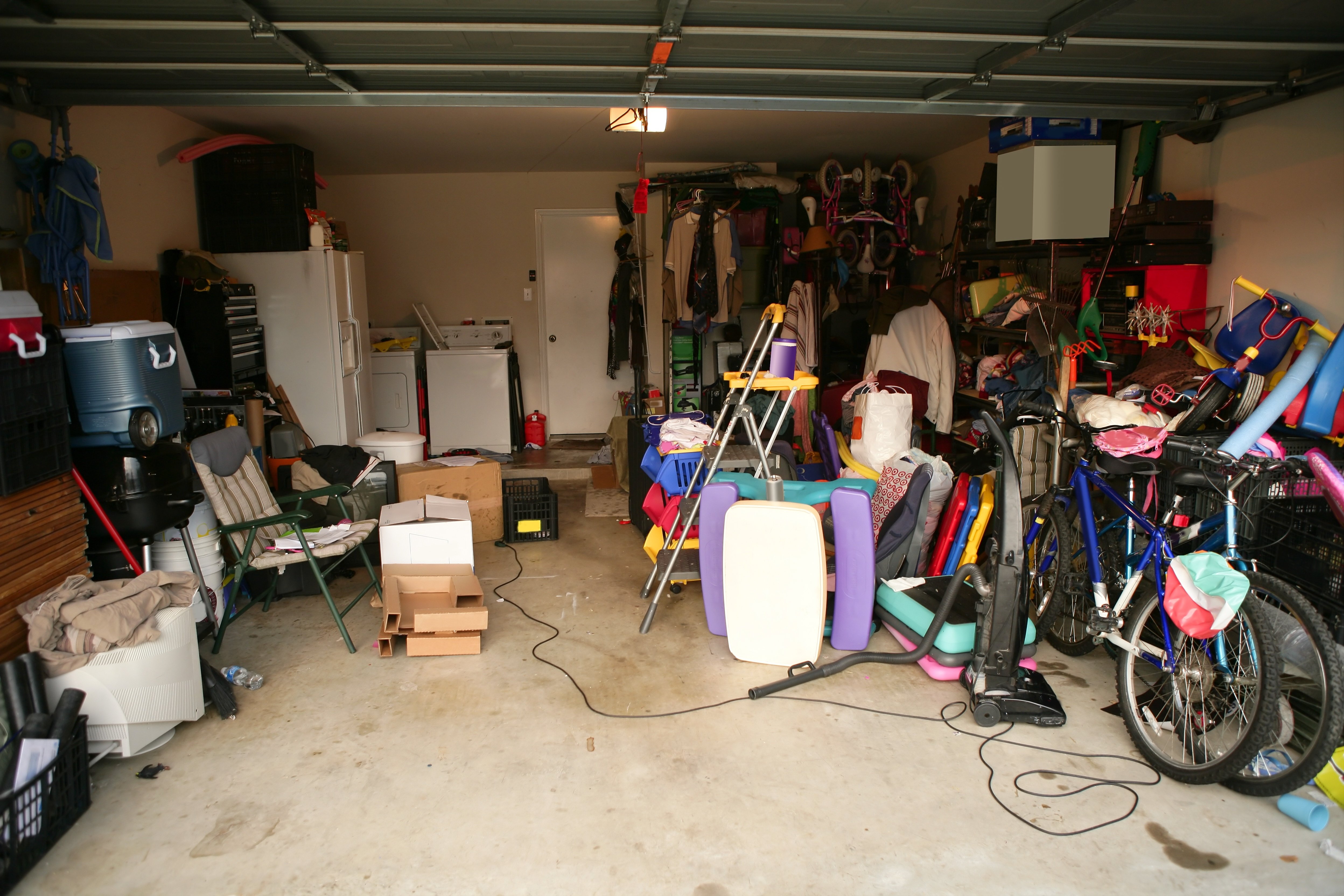
Grungy To Gorgeous – Turn Your Wallingford Garage Into Something This Summer
You’ve finished with spring cleaning, but the...

CT Homeowner Tips: A Different Way To Shower
All across America, luxury homes and hotels are...

Why Ventilation Matters To Connecticut Homeowners
Air flow is something you don’t really think...
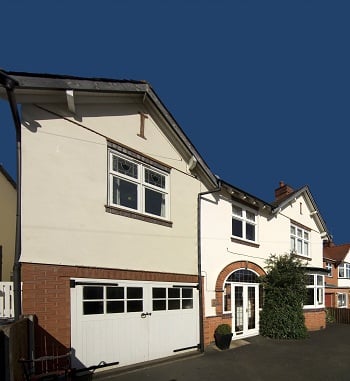
How To Make Mother-in-Law Suites More Accessible In Wallingford
Though it's never fun to think about in advance,...

Celebrate National Remodeling Month With a Gift To Yourself!
If it escaped your notice, May is National...
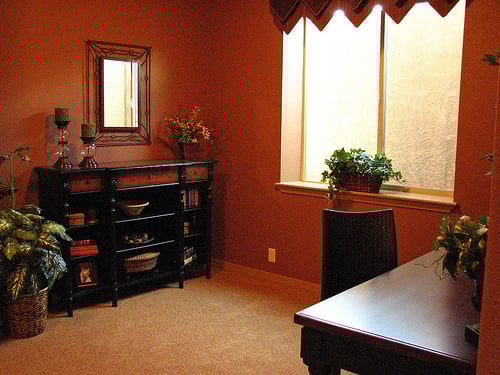
3 Tips To Turn Your Wallingford Basement Into the Perfect Home Office
Working from home is an increasingly viable...

Look Before You Leap: Checking Out The Neighborhood Before Building Your CT Home
Any real estate agent will tell you that one of...

Provocative Powder Room Ideas For Your Connecticut Home
The powder room (or half bath) may be one of the...
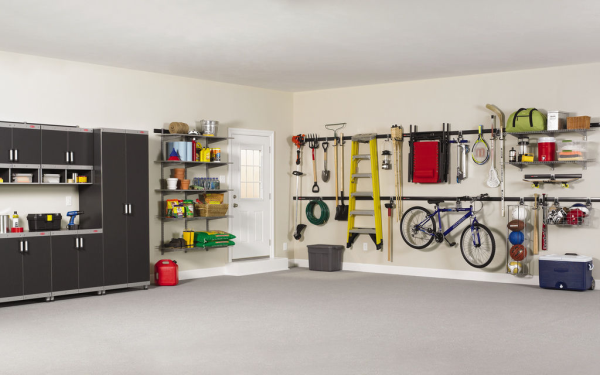
Making a small house feel bigger, Part 3: Renovating the garage
Next time you step out into your garage, take...

Adding Windows To Brighten Your Home and Your Mood
In his 1942 novel, “The Moon Is Down,” John...
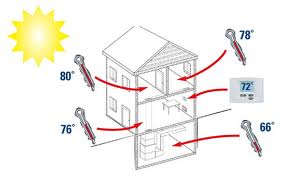
End the Thermostat Battle With Zoned Heating and Cooling
Heating and cooling the house can be a...

Winter Home Improvement in Connecticut: Take it Inside!
Remember when you’d get a little “rambunctious”...

Does Your Connecticut Home Have Enough Insulation?
Some home remodeling projects are fun and...

The Best Storm Door for Your Connecticut Home
Cold wintry weather is fast approaching and it’s...

Why Building a Custom Home In Connecticut Is Like Eating an Elephant
No doubt you’ve heard the old question: “How do...

5 Reasons To Remodel Your Central Connecticut Home
Do you ever get that nagging feeling that it’s...

Signs of Water Leaks? Have a Wallingford Contractor Take a Look
Is your home showing any signs of water leaks?...

Using Environmentally-Safe Materials for Your Green Remodeling
One of the most important facets of green...

Connecticut Homebuilding and Remodeling: Let There Be Light!
There is a part of your home—whether it’s a new...

Why Having More Space in Your CT Home Matters
Living space needed by modern families is always...
Reasons to Include an Extra Bedroom in Your Middletown Home Design
Are you trying to decide how many bedrooms to...
Tips for Overseeing the Construction of Your New Home in Meriden CT
If you are having your own new home built to a...

The Green Makeover: Environmentally Friendly Connecticut Remodeling
When you are doing remodeling on your home, you...

Thinking About Choate Rosemary Hall? Where to Live in Wallingford...
Perhaps one of the most well-known and...


Taking the Right Steps in Building Your New Connecticut Home
There’s a significant difference between buying...

Space, the Final Frontier When Remodeling Your Connecticut Home
Chances are you’re plans to remodel your...

Sunwood Purchases Rights to Sonoma Woods in Middletown
Bob Wiedenmann of Sunwood Development Corp is...

One Step at a Time: A Look at Phased Remodeling
What can you do if you want to remodel your home...
Bob Fills Wallingford Housing Authority Board Seat
On June 21, our very own Bob Wiedenmann,...

CT Building: What’s the Big Deal About “Change Orders”?
When you think about building or remodeling your...

CT Bathroom Remodeling: This is Not Your Grandmother’s Bathroom
When Grandma was your age she probably didn’t...

Lighting Trends for your Wallingford Remodeling Project
One of the most easily overlooked aspects of a ...

Kitchen Remodeling News You Can Use
What’s new in the world of kitchen remodeling...
What’s Your Responsibility in the Home Remodeling Process?
here are two things that can make a Connecticut...