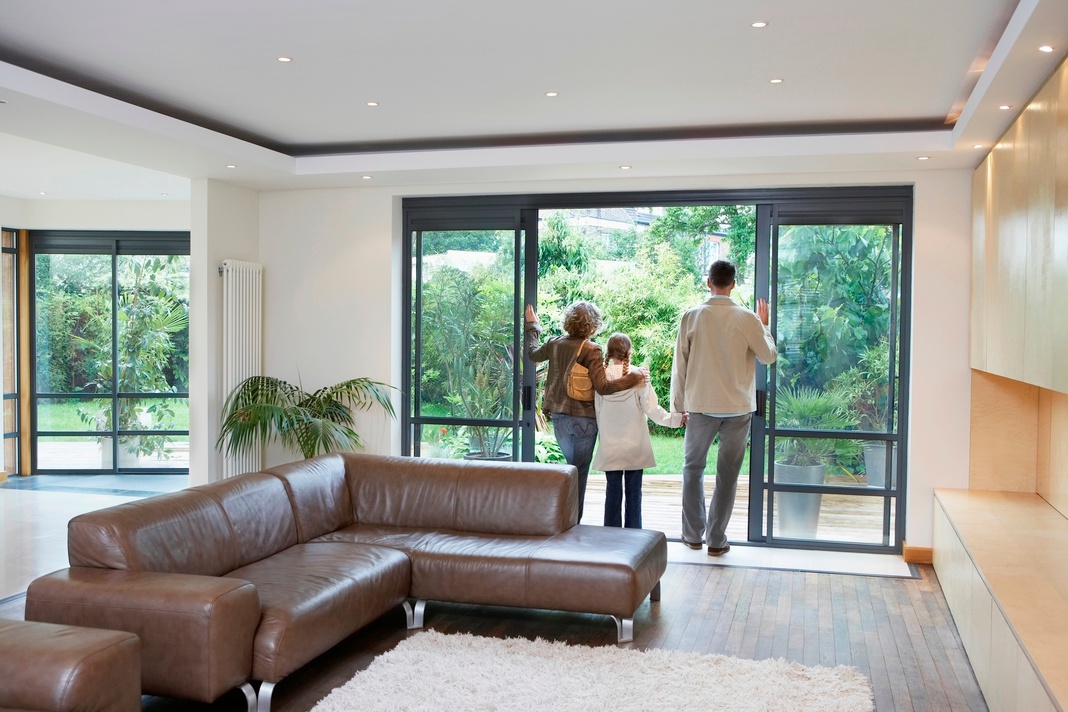
Family needs change over time, but most homes do not.
In Connecticut, more homeowners are starting to rethink how their space works, not by moving, but by adding to what they already have. A growing number are building multigenerational ADUs to create flexible living space for parents, adult children, or extended family.
This guide explores this trend and the benefits of building an ADU. Use the links below to navigate to the sections you want to read:
- What Is a Multigenerational ADU?
- Why Multigenerational ADUs Are Increasing in Connecticut
- How Multigenerational ADUs Are Used
- Key Design Features for Multigenerational ADUs
- What Connecticut Homeowners Should Know Before Building an ADU
- Why Families Choose an ADU Instead of Moving
- What to Plan Before Building a Multigenerational ADU in Connecticut
What Is a Multigenerational ADU?
A multigenerational ADU is a self-contained living space on the same property as a primary home. It functions as a complete residence, with the essentials needed for everyday living. That usually includes a bedroom or sleeping area, a bathroom, a kitchen or kitchenette, and a living space.
These units can take different forms depending on the property:
| ADU Type | Description |
|---|---|
| Detached ADU | A separate structure in the backyard |
| Attached ADU | An addition connected to the main home |
| Interior ADU | A converted basement, attic, or existing space |
| Garage Conversion | A repurposed garage turned into a living space |
What makes the ADU multigenerational is how it is used. These spaces are built for family members who want to live close by while keeping a level of privacy and independence.
Why Multigenerational ADUs Are Increasing in Connecticut
More Connecticut families are seeking housing solutions that offer flexibility without forcing a major move.
For some, that means creating space for aging parents or in-laws who want to stay close to family support. For others, it means making room for adult children who need a more independent setup while staying at home longer. In both cases, the goal is similar: create a living space that feels connected, private, and useful over the long term.
Housing costs are part of the picture, too. Instead of buying a larger home or relocating, many homeowners are investing in the property they already have. A multigenerational ADU can solve an immediate family need while also adding value and flexibility.
State and local policy changes have also made ADUs more visible across Connecticut. Homeowners are increasingly aware that these units can be a realistic option, depending on the rules in their town and the conditions of their property.
How Multigenerational ADUs Are Used
One of the biggest strengths of an ADU is that it does not have to serve only one purpose forever. A space built today for family can serve a different role later. That flexibility is a major reason so many homeowners see multigenerational ADUs as a smart long-term investment.
Consider some of the ways you could potentially use an ADU:
| Current Use | Future Use |
|---|---|
| Housing for aging parents | Rental income unit |
| Living space for adult children | Guest house |
| Short-term family support | Home office or studio |
| Caregiver housing | Flexible long-term living space |
Key Design Features for Multigenerational ADUs
A multigenerational ADU needs to do more than add living space. It needs to support everyday routines, privacy, and long-term comfort for the person living there and for the household as a whole.
That usually starts with a few core design priorities:
- Privacy - The space should feel separate enough to support independence, especially for aging parents or adult children.
- Accessibility - Features like main-level living, wider doorways, walk-in showers, and fewer floor transitions can make the ADU easier to use over time.
- Efficient layout - Because ADUs are compact, each part of the floor plan needs to work hard and support daily life.
- Comfort - Good natural light, practical storage, and a layout that feels easy to move through all make the space more livable.
- Flexibility - The best ADUs can serve one purpose now and another later, whether that means family housing, guest space, or rental use.
What Connecticut Homeowners Should Know Before Building an ADU
Before building an ADU, homeowners need a clear understanding of what their property can support. In Connecticut, local zoning rules can shape what is possible. Lot size, setbacks, parking requirements, owner-occupancy rules, and utility access may all affect the design and placement of the unit. These details vary by town, so early planning matters.
Site conditions also play a big role. Slope, access, existing structures, and utility locations can all influence cost and feasibility. A design that works well on one property may not make sense on another. The earlier you address those questions, the easier it is to plan an ADU that fits your property and avoids unnecessary changes later.
Why Families Choose an ADU Instead of Moving
For many families, an ADU solves a space problem without creating a much bigger housing problem. Moving to a larger home often means higher purchase costs, higher taxes, and leaving a neighborhood they already love.
An ADU offers another path. It allows homeowners to stay where they are while making the property more useful.
That makes a difference for families who want to stay close, support aging parents, give adult children more independence, or create flexible space for the future. Instead of starting over somewhere else, they can adapt the home they already have.
What to Plan Before Building a Multigenerational ADU in Connecticut
Before you design the space, get clear on how it needs to work.
The most important decisions usually come down to family needs, property constraints, and how the ADU may be used over time. It helps to think through a few key points early:
| What to plan for | Why it matters |
|---|---|
| Who will live there | The ADU should fit their day-to-day needs |
| Length of stay | Short-term and long-term use often need different layouts |
| Level of independence | Some families want more connection, others more privacy |
| Accessibility | Aging-in-place features may need to be built in from the start |
| Future use | The space may later serve as a rental, guest suite, or office |
| Property limits | Local rules, setbacks, parking, and utilities affect what is possible |
| Site conditions | Slope, access, and utility locations can affect design and cost |
Multi-generational and Multi-Purpose: The Appeal of ADUs
For many Connecticut families, a multigenerational ADU is a practical way to make a home work better. It can create a comfortable place for an aging parent, more independence for an adult child, and more flexibility for how the property is used over time. That is why the planning stage matters so much. The clearest projects start with who the space is for, how it should function, and what the property can support.
If this is already on your radar, the next step is to look closely at your lot, your local rules, and your family’s long-term needs. A well-planned ADU can add more than living space. It can give your family room to stay close and live well.
Build Your ADU with Sunwood
Designing a multigenerational ADU takes more than adding square footage. It requires a builder who understands how these spaces actually function for families.
At Sunwood Home Builders & Remodelers, we specialize in building ADUs that are practical, well-designed, and built to support real life. We can handle everything in the ADU design-build process, from navigating Connecticut regulations to planning layouts that balance privacy and connection. Our team helps you make the right decisions from the start.
If you are considering a multigenerational ADU, we can help you turn that idea into a space that works the way it should, both now and for years to come.
Browse our Portfolio to see what we can build for your family.
Ready to Build Your ADU?
Connect with the Sunwood team today.



.jpg)